
Military science fiction roleplaying games are somewhat a rarity though I have several in my collection. These include Book 4: Mercenary (1978) and Book 5: High Guard (1979) both for Traveller from Game Designers’ Workshop. I also own Hammer’s Slammers (Mongoose Publishing, 2009), Star Wars: Age of Rebellion (Fantasy Flight Games, 2014), Tachyon Squadron (Evil Hat Productions, 2018), Bug Hunt for Five Parsecs From Home (Modiphiüs, 2024), and Dropship (Blackwall Games, 2026). I recently acquired several additional products for Tachyon Squadron including:
- Tachyon Squadron: Those Who Were Here Before (2019)
- Tachyon Squadron: Starfighter Academy (2019)
- Tachyon Squadron: Inside the Dominion of Unity (2019)
- Tachyon Squadron: Spaceship Construction Toolkit (2020)
Exploring these newly acquired products brought the core rulebook for Tachyon Squadron back to my gaming table for a look at the entire line of products. I (mostly) like what I see..
Tachyon Squadron (2018)
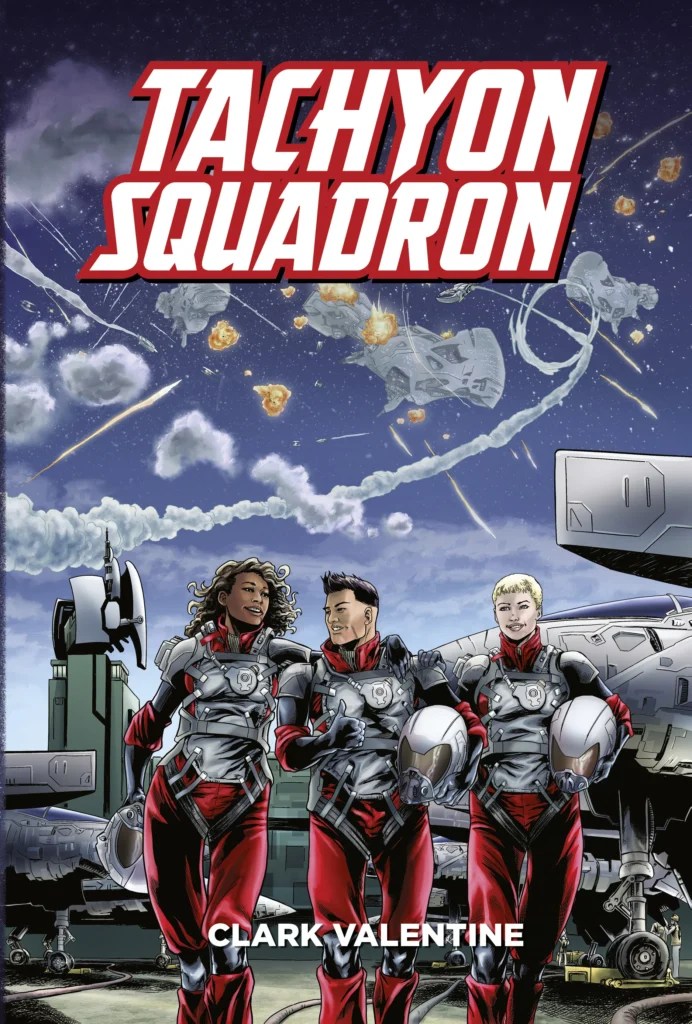
Join the ace pilots of the Tachyon Squadron. Enlist today!
The universe is in trouble. Take your stand against the overreaching arms of the Dominion of Unity. Stand up against piracy and lawlessness. Ensure that all members of the Draconis system enjoy peace and prosperity. Join the Tachyon Squadron arm of the Draconis Volunteer Group! Engage in interstellar combat; steer your ship among the stars, and join your fellow fighter pilots in a quest for danger, glory, and victory.
Tachyon Squadron is a Fate Core supplement that blends space opera and military sci-fi. The game requires Fate Core to play. This 179-page book includes:
…A highly structured starfighter combat engagement system, with a focus on phased combat and maneuvering for advantage.
…Instructions on creating fighter pilot characters in Fate, including pilot interactions and vices to blow off steam between battles..
…Personal and gear stunts, which provide a streamlined mechanic for sci-fi necessities like energy blasters, hand scanners, and deflector screens.
…An overview of the galaxy and the key players within it.
…A sample mission: The Pirates of the Kepler Valley
Suit up and fly high. The Tachyon Squadron needs you!
In Tachyon Squadron the player-characters are members of the Draconis Volunteer Group, defenders of the planet Draconis that sits between the Stellar Republic—liberal democratic and home to the Sol system and Earth—and the Dominion of Unity which is a militaristic and expansionist surveillance state.
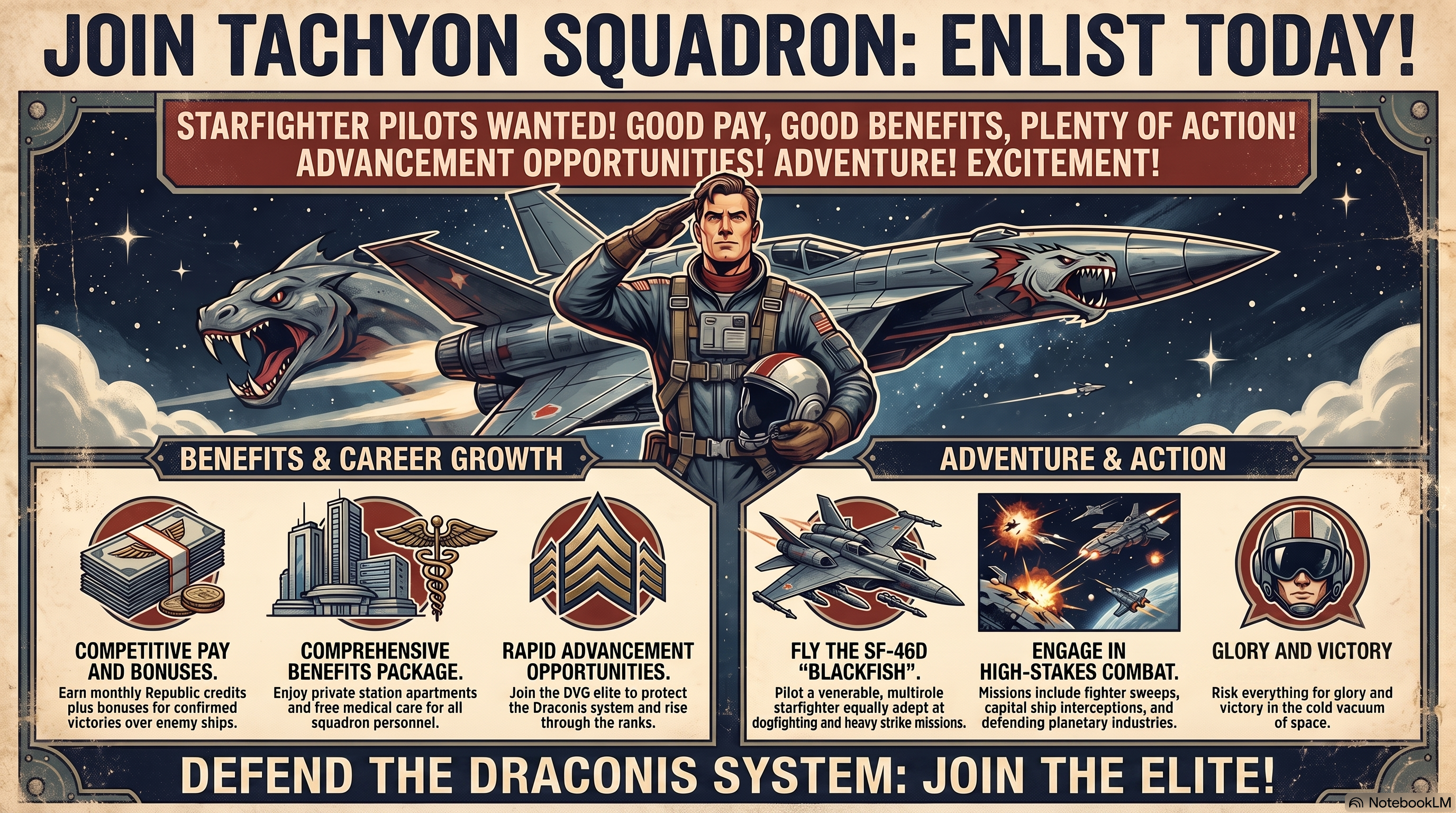
Engaging Tachyon
The “signature” element of the Tachyon Squadron setting is Engagements. As the core rulebook relates:
An engagement is a highly structured form of Fate conflict used to resolve space battles involving starfighters. The heart of it is the maneuver and action phases, where every vessel i the combat works to gain advantage—and abstract concept representing optimal position, velocity, and several other factors—and may attack targets with advantage equal to or less than they have.
Engagements, p. 35
An Engagement in Tachyon Squadron consists of four (4) phases:
- Detection (p. 36)
- Maneuver (p. 38)
- Action (p. 42)
- End of Round (p.43)
In Tachyon Squadron an Engagement is played out on the Maneuver Chart. The Maneuver Chart does not show where the player-character’s starfighter is, but rather the relative advantage it has in the fight. In the Action Phase, the player-character in the highest slot acts first and the others follow in advantage order. If more than one player-character is in the same rank, both act “simultaneously” with actions executed but effects not applied until both complete with their actions (p. 42).
[Confusingly, there is a second form of Engagement in Tachyon Squadron. The second form of Engagements are more akin to a scenario builder and not a singular tactical situation.]
Mercenary me
Tachyon Squadron is not a strict military sci-fi roleplaying game (RPG) setting. As the core rulebook tells, “Pilots in Tachyon Squadron are not technically military personnel. You are, legally, civilian contractors (the less charitable might call you a ‘mercenary,’ but that’s considered highly impolite) and are not subject to military discipline” (p. 106). The issues and themes that Tachyon Squadron proposes are:
- Current Issue: Disunity and Separatism
- Impending Issue: Piracy and Lawlessness
- Future Issue: Organized Crime
- Future Issue: Mistrust and Political Instability
- Consistent Theme: Underfunded, Underequipped, and Understaffed.
- Consistent Theme: The Grind
- Consistent Theme: Dominion Counterattacks
- Consistent Theme: Rivalries (pp. 108-110).
With as much focus on combat and Engagement in Tachyon Squadron, there is also a need for “Out-of-Cockpit Encounters.” The core rulebook list three potential out-of-cockpit encounters: Go shopping, Nose around, and Raise hell (p. 115).
Of course, “Raise hell” is the most interesting of the three potential encounters in Tachyon Squadron. The rulebook does not hold back on what behaviors are covered:
- “Most pilots drink—some drink a lot.”
- “Many pilots sleep around.”
- “More than a few pilots have ended their night with sore knuckles, a black eye, and an appointment to answer some uncomfortable questions from law enforcement.”
- “A willingness to engage in—no, a craving for—risky behavior is an essential part of being a good fighter pilot.” (p. 115)
The rulebook for Tachyon Squadron recommends making it hard for pilots to decompress; that is, to reduce their Stress. The rulebook recommends using The Law, Terrible Relationships, Gambling and Debts, and even Darker themes (such as, “substance abuse and serious depression, anxiety, and PTSD
“Dominion military officers don’t even do the laundry without a detailed plan”
The campaign generator in Tachyon Squadron is designed to construct a campaign arc. The campaign arc focuses on using the Dominion as the foil of the player-characters. Constructing a campaign has four steps:
- “Choose a Dominion strategy and operational objectives.”
- “Choose a current issue that pairs well with the next logical Dominion operational objective.”
- “Run game sessions until that issue is resolved or becomes obsolete.”
- “Go back to step 2, repeat until the campaign comes to a logical conclusion.” (p. 118)
Taken as a whole, the core rulebook for Tachyon Squadron gives the GM plenty of tools to lead player-characters on starfighting adventures.
Tachyon Squadron: Those Who Were Here Before (2019)
Those Who Were Here Before is a short adventure where the pilots of the Draconis Volunteer Group are asked to explore an unknown relic of “the Ancients.” I consider this adventure to be one-part Aliens and two-parts The Expanse. The scenario can be used in a campaign to support core rulebook issues such as, “Disunity and Separatism, Piracy and Lawlessness, or Mistrust and Political Instability” (p. 5).
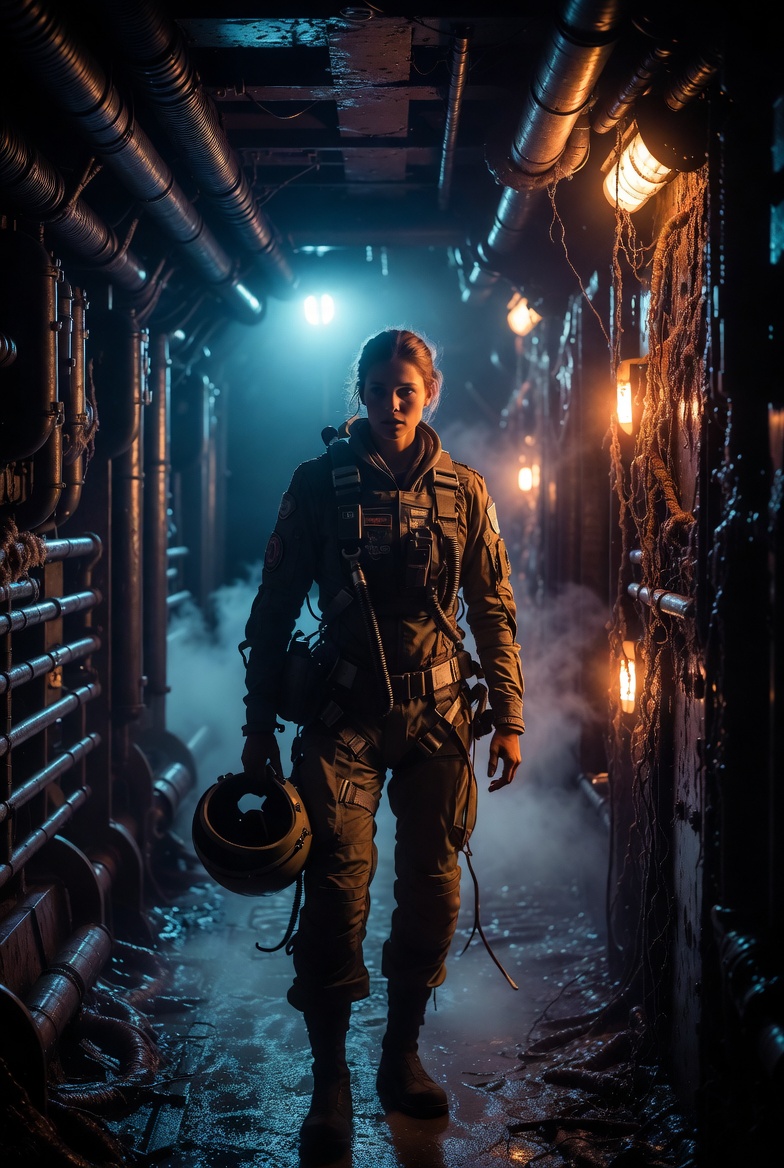
This adventure introduces several key plot hooks that can prove useful for future adventures. It also serves as a suitable introduction to Engagements in a manner manageable for new GMs and players.
Tachyon Squadron: Starfighter Academy (2019)
Starfighter Academy is, literally, the movie Top Gun done Tachyon Squadron-style. This is a mini-campaign arc of 4-5 sessions where the player-characters are students at the Starfighter Academy. Similar to the movie Top Gun, the main focus is on the “classroom” of learning how to be pilots for the Draconis Navy but with ample down-time for…fun.

Inside the Dominion of Unity (2019)
In the universe of Tachyon Squadron, the Dominion of Unity are the bad guys—they’re the military force opposing the pilots of the Draconis Volunteer Group. This supplement expands on the material available about the Dominion for use in two main ways: additional information for a campaign featuring Tachyon Squadron pilots, and the basis for a campaign featuring Dominion pilots who’ve decided it’s time to take a stand.
“How to Use This Supplement,” p. 4
If you ever want to play the bad guys in Tachyon Squadron, this supplement will—kind of—get you there:
It’s important to remember the Dominion of Unity are unambiguously villains. The leader is the center of a fanatical personality cult, and order is maintained through rigid ideological control and panoptic surveillance. It’s an oppressive militarists state, with elements that would look familiar to anyone who has studied 20th and 21st century authoritarianism.
The heroes are the people who resist.
“How to Use This Supplement,” p. 4
In keeping with the “heroes who resist” motif, Inside the Dominion of Unity offers two groups for player-characters to be members of: The Order of the Last or The Red Fist. The player-characters will have to adventure survive in a setting where the core ideology is Unity, Conformity, Compliance, and Conflict. Specifically called out are:
- Authoritarian Corporatism – “..the powerful look out or their own” (p. 7)
- Religious Intolerance – “Organized religion must pass ideological muster to be officially tolerated” (p. 7)
- Racism – “Racism is not officially tolerated in the Dominion—Unity and all that—but power wants to take care of its own and racism is a ferociously tenacious problem” (p. 7)
- Dominion position on Queer, Disability, and Oppression – “The Dominion wants to project an aura of strength, which leads to predictable official attitudes toward anyone who disrupts the demands of their notions of masculine power” (p. 7).
This leads to changes in some core rules when using Inside the Dominion of Unity such as Decompression which now may take the form of Indoctrination. The GM has several tools to pressure the player-characters with, including the Polikorps.
Spaceship Construction Toolkit (2020)
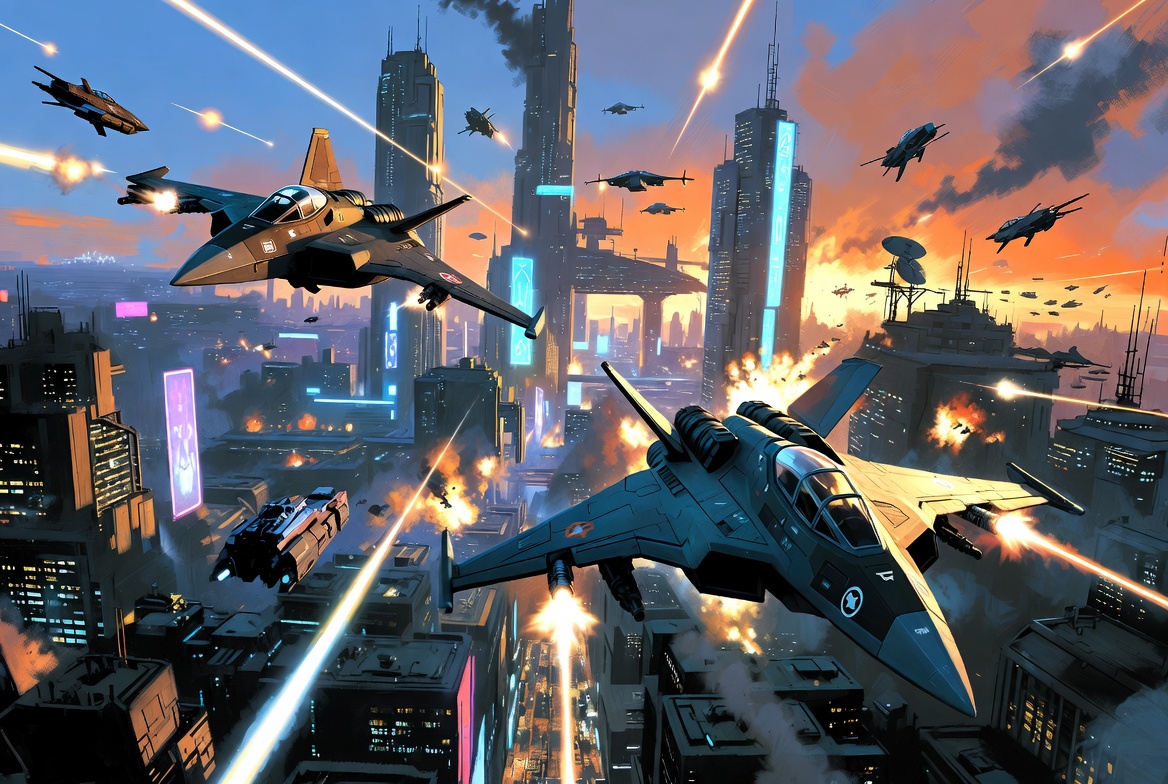
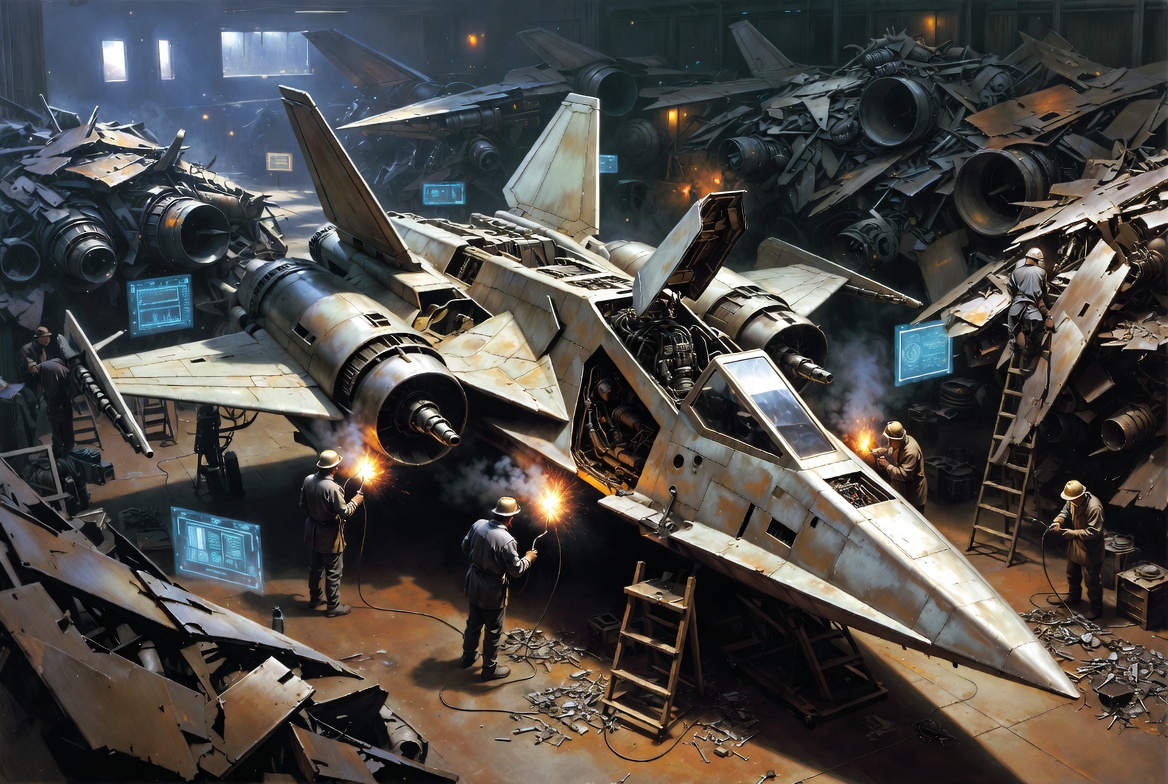
The Spaceship Construction Toolkit is not just a supplement to build and modify spaceships in the Tachyon Squadron universe. Along with the military, two related “cultures” are introduced: the Racing Culture and Modding culture. The supplement also includes rules for salvage.
Apolitical
Overall, I like Tachyon Squadron. Although designed using the FATE Core game engine, the setting can easily be ported to whatever your roleplaying game engine of choice may be.
What I do not like about Tachyon Squadron is much more subtle and outside of the game itself. In the years since the publication of Tachyon Squadron, the publisher, Evil Hat Productions, has taken political stances that many find controversial. Those stances outside the game should not—and do not—matter to me. Evil Hat, however, goes as far as levying demands for player conformity as a necessity to play their games.
That is a bridge too far for me. I purchased Tachyon Squadron products so I can play in the Tachyon Squadron universe. I accept Evil Hat—as controversial as they may be—in the tabletop roleplaying game community like I expect them to accept me.
Feature image courtesy Gemini Notebook
The opinions and views expressed in this blog are those of the author alone and are presented in a personal capacity. They do not necessarily represent the views of U.S. Navy or any other U.S. government Department, Service, Agency, Office, or employer.
RockyMountainNavy.com © 2007-2026 by Ian B is licensed under CC BY-SA 4.0


Evil Hat has told me they don’t want my money and I’m happy to oblige them.
Same – any company that publishes a list of political beliefs and says to stay away if you don’t agree is the wrong company…for everyone.