
Having hung about the edges of the wargame practitioner world since 2017 (my first Connections USA wargaming conference), I decided to jump back into the world of graduate education and enroll in a new Graduate Certificate in Wargaming program from the Virginia Tech School of Policy and International Affairs. [Link to presentation at Connections USA 2026]
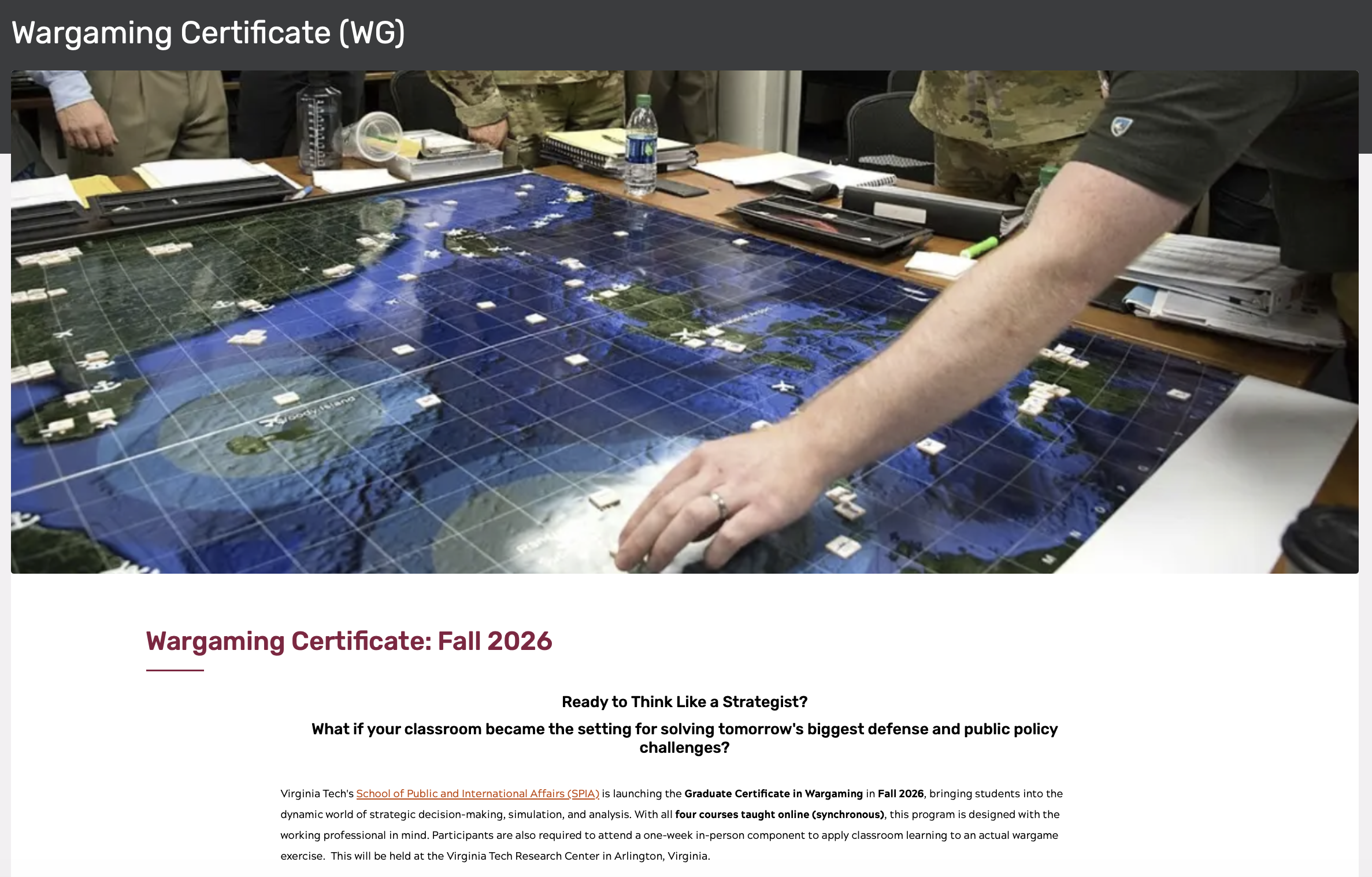
The image used by SPIA is a bit misleading—sort of. Instead of a strict focus on wargame design, the main aim of the program appears to be en emphasis on analytical wargaming. For the wannabe wargame practitioner side of my personality that is not an unwelcome direction as it likely is the most promising pathway to a “wargame” job in the later years of my second career.
With one week of classes down—and 12 credits plus a capstone exercise ahead—it is too early to tell how good the classes will be. I am in the first-ever cohort so we are guinea pigs as much as students. Regardless, I am excited, though with classes two evenings a week my life is a bit upended until I can find my learning rhythm. I mean, it has been only 30 years since I sent to school…
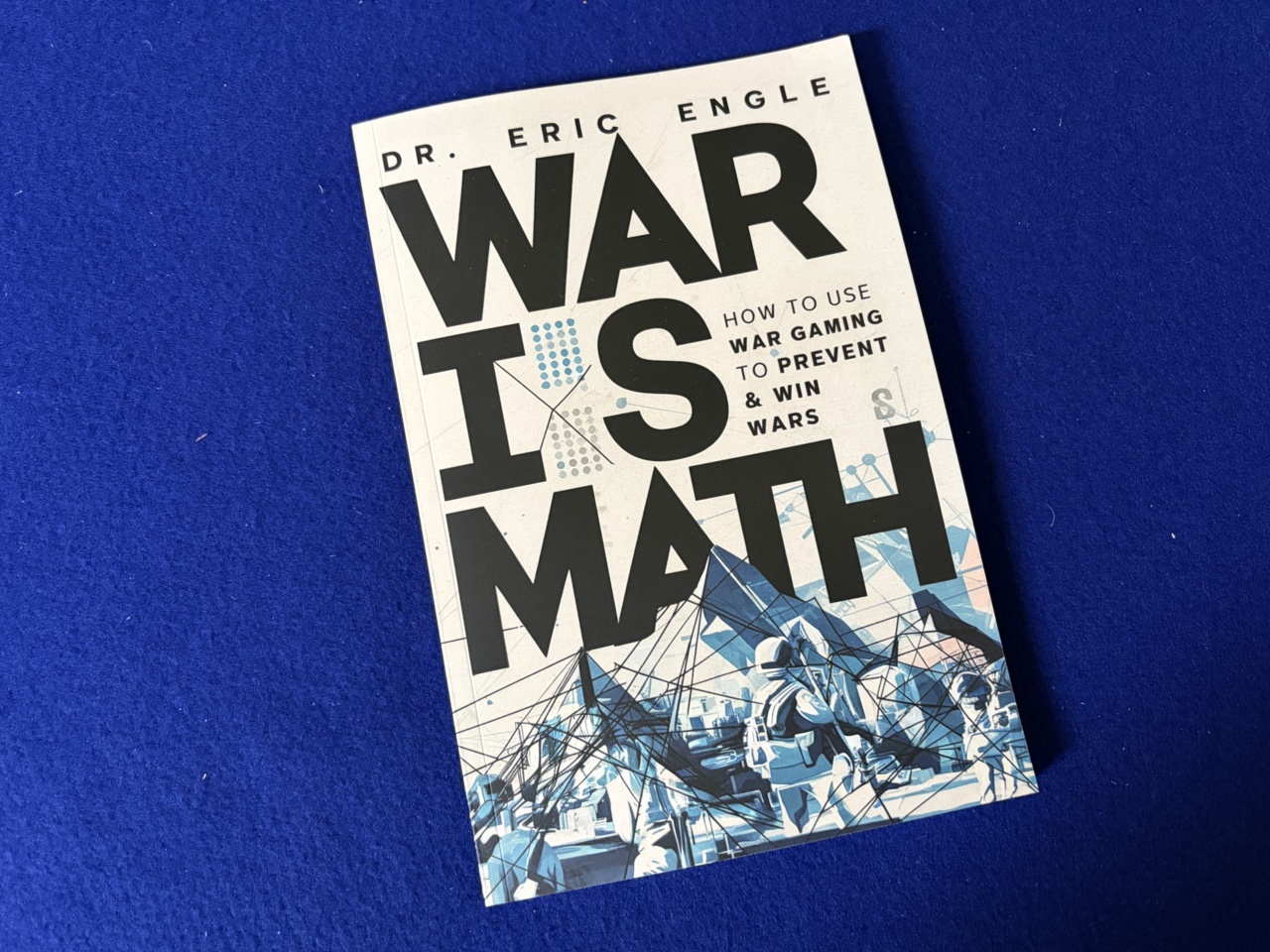
Although not required textbooks, I acquired two new wargame practitioner-related texts this past week. While the professor in my Wargame Analytics class promised that the Game Theory taught will not be math-heavy (I quote,”Game Theory for Poets”) I still want to dig into the mathing behind wargames. War is Math: How to Use Wargaming to Prevent & Win Wars: How to Use Wargaming to Prevent & Win Wars (War and Peace: Military Science, Leadership, and the Art of Diplomacy) is a 2022 product from a Dr. Eric Engle looked promising. The publisher’s blurb in part reads:
The book walks through how mathematical models and probability are used inside wargames to simulate conflict, test strategies, and explore alternatives before lives and resources are committed. It examines surprise as a combat multiplier, opponent modeling as a strategic necessity, and the role of uncertainty in both battlefield and diplomatic outcomes. Historical and contemporary case studies are used, including Chinese maritime competition and insights drawn from China’s Warring States period, to show how abstract models map onto real strategic problems.
“War Is Math” also addresses the limits of models and simulations. It explains where wargaming works, where it fails, and why human bias, organizational incentives, and political pressure often undermine rational decision-making. Artificial intelligence, open-source intelligence, and modern computational tools are discussed as extensions of, not replacements for, disciplined human judgment.
This is not a book for readers looking for motivational slogans or narrative military history. It is a conceptual guide to thinking more clearly about war and peace using structured reasoning. Readers who are uncomfortable with basic probability, abstraction, or sustained analytical reading should look elsewhere. Readers willing to engage with math as a language for strategy will gain a sharper understanding of how wars begin, how they escalate, and how they can sometimes be deterred or contained.
“War Is Math” is an introduction to wargaming as a serious intellectual discipline, designed to improve judgment rather than promise certainty. It offers a framework for studying war honestly, preparing for it responsibly, and understanding why so many conflicts unfold the way they do.
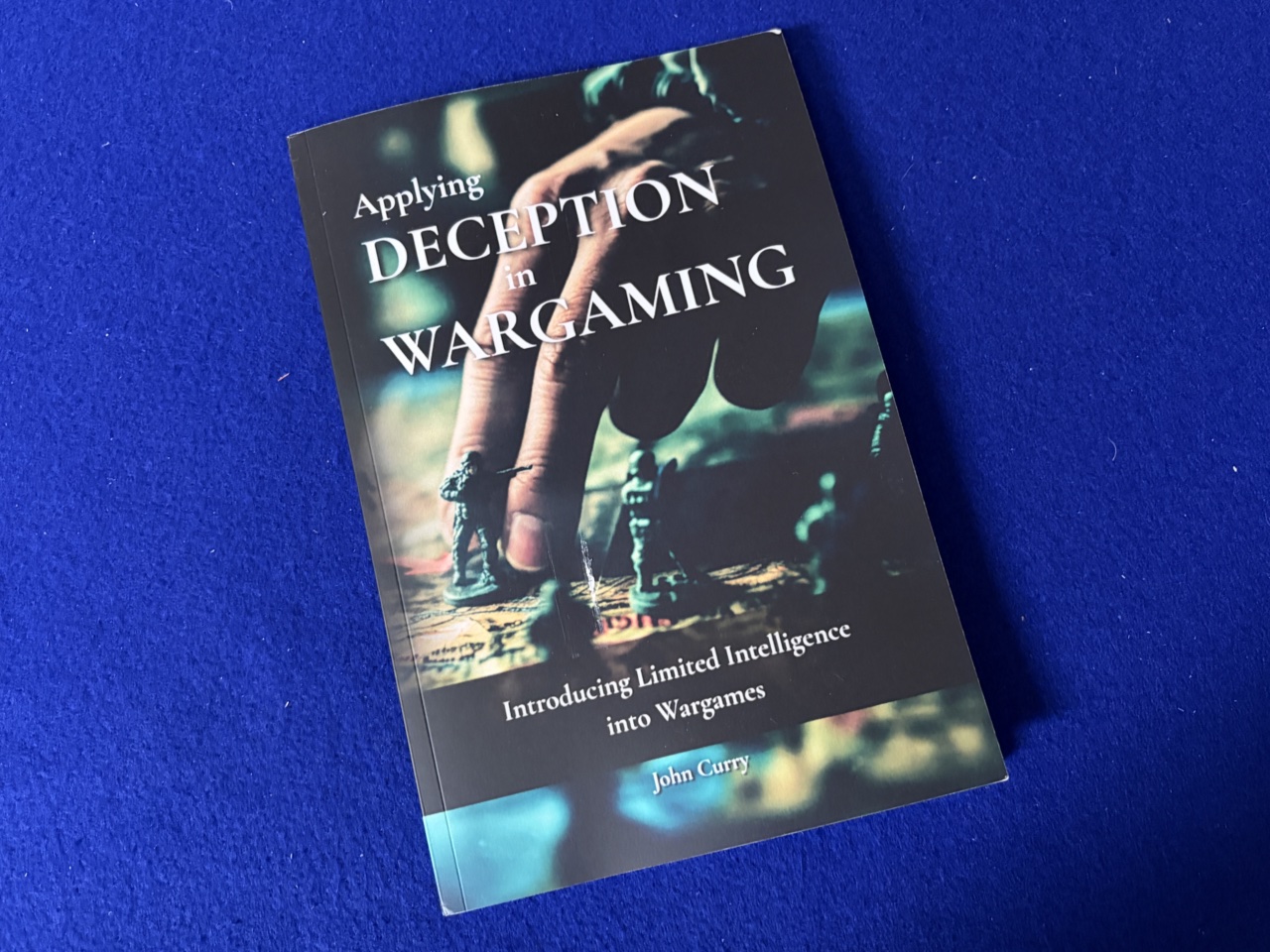
After reading Kev over at bigboargaming.com and his article, “IMPORTANT TO WHOM? DECEPTION, AND THE WARGAME THAT CAN’T DECEIVE YOU” I had to get my own copy of Applying Deception in Wargaming: Introducing Limited Intelligence into Wargames (History of Wargaming Project: History) by John Curry. Even with Kev’s comments in mind the publisher’s blurb is promising:
Limited intelligence is pivotal in wargaming because it realistically simulates the uncertainty and unpredictability of real-world operations. When players only have partial information, they must make decisions based on assumptions and incomplete data, just as military leaders do in actual conflict. This not only tests their analytical skills and adaptability but also exposes them to the risks and consequences of misjudgement, fostering a deeper understanding of operational complexity. In real warfare, deception exploits this limited intelligence and is used to mislead opponents, mask intentions, and create opportunities.
This books is packed full of practical examples of how wargamers can include limited intelligence, and opportunities for deception, into their games. A wide range of game mechanisms simulating ‘the fog of war’ are discussed; from hidden scenarios, to uncertainty about the enemy order of battle. Uncertainty, also makes hobby games more interesting as it increases the challenge where players are compelled to develop robust strategies for gathering information, interpreting ambiguous signals, and managing the unknown.
Of course with two graduate-level classes moving at graduate school-like speed, just when I will get a good chance to read these to books is a concern.
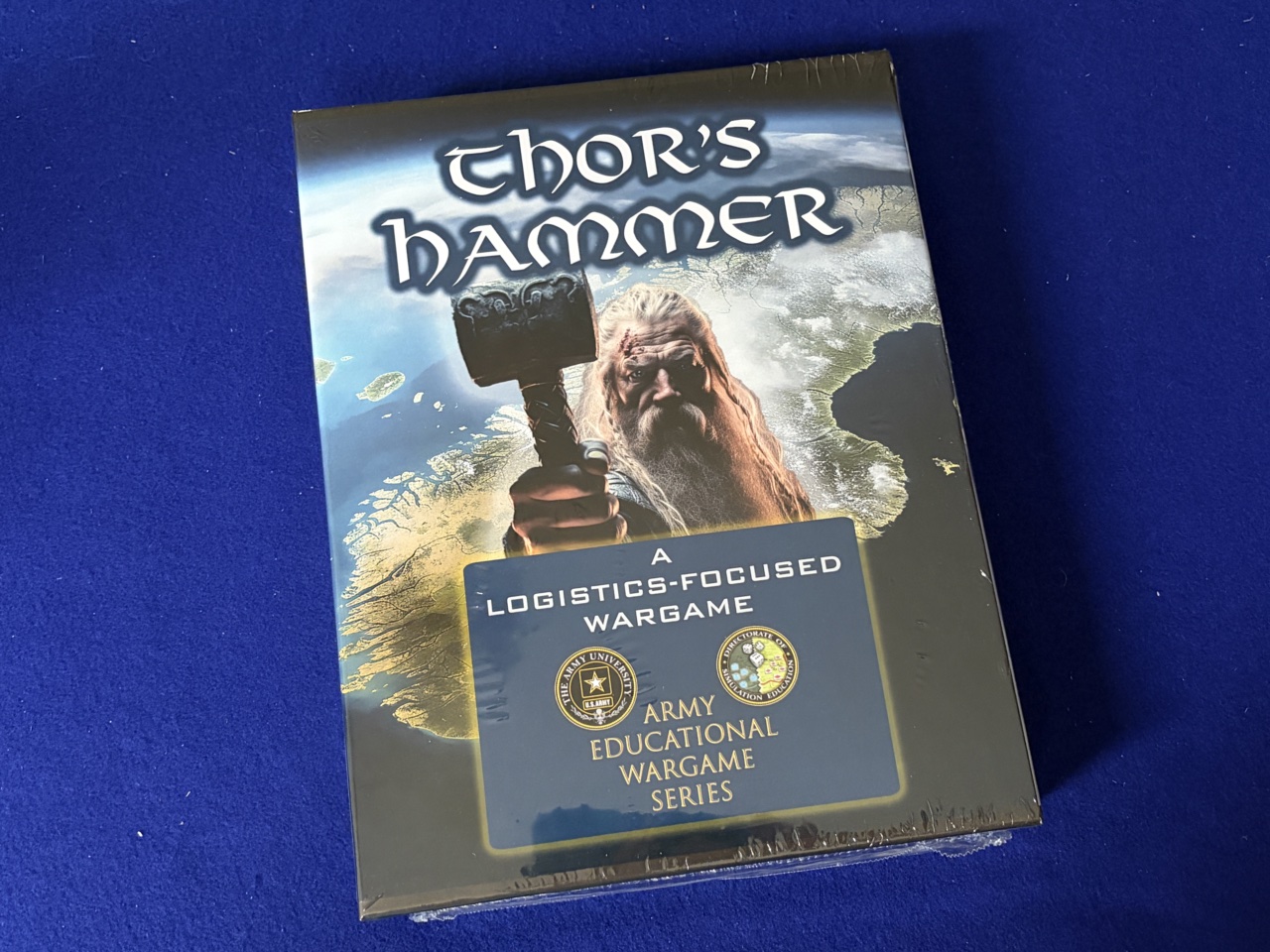
Finally, I took advantage of my employer and acquired Thor’s Hammer which is an Army Educational Series Wargame that started off year’s ago as a student project in the Georgetown University. Contrary to what many of you likely are thinking at this point, I have a very good professional reason for my interest in this game.
Regimental Commander Brant over at Armchair Dragoons is (im)patiently awaiting my photos to complete two articles in draft there. I could make some excuse at this point like, “my dog at the iPhone” but the truth to the matter is that I created a busy schedule and now am working my way through it. I also took in this past week two new products from Bonsai Games to add to the backlog of titles. All of which makes my student/practitioner/hobby lives busy.
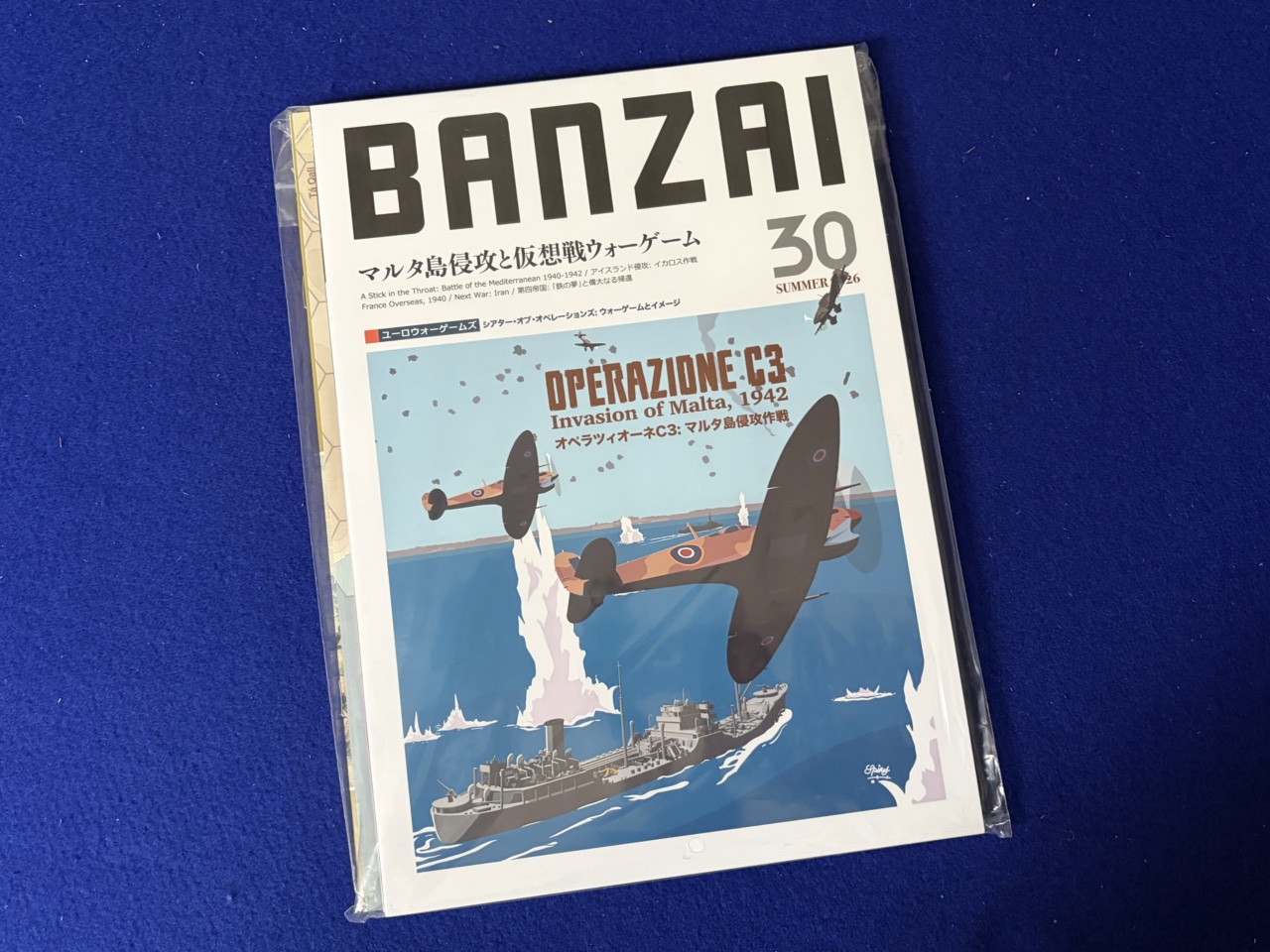
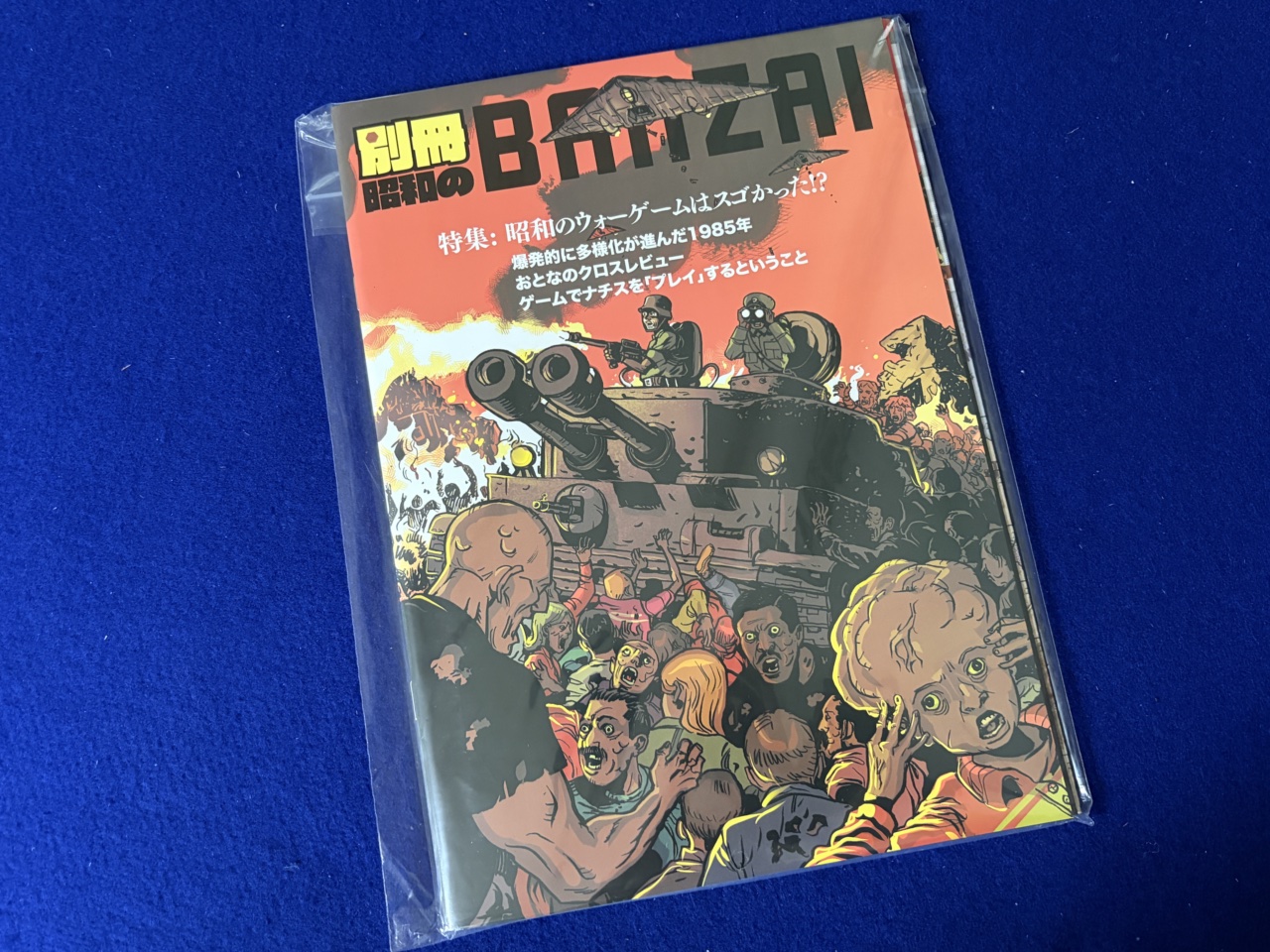
[I’m willing to bet more than a few of you do recognize the reference in the title to the, “pros from Dover.” Well, I know it…and now you do too!]
Feature image courtesy VT SPIA
The opinions and views expressed in this blog are those of the author alone and are presented in a personal capacity. They do not necessarily represent the views of U.S. Navy or any other U.S. government Department, Service, Agency, Office, or employer.
RockyMountainNavy.com © 2007-2026 by Ian B is licensed under CC BY-SA 4.0


Good luck in your studies.
Cheers,
Pete.
Thanks (as I look up for a few moments from this week’s readings).