
At Sea Against the Soviet Fleet: The Evolution of U.S. Navy Operational Intelligence in the Cold War by retired U.S. Navy Captain Bryan H. Leese, a career naval intelligence officer, is a very personal story to me. I joined the Navy in 1989 and was, like Leese, a naval intelligence officer. As 1989 was the end of the Cold War that is also the end of Leese’s book, but the story carries forward into the 1990s in the Epilogue. Many of the naval operational intelligence systems and tactics, techniques, and procedures (TTP) that Leese talks about in the later parts of the book were my everyday life. While—at that time—we learned all about our new gadgets and were lectured as to the reasons behind them I wish At Sea Against the Soviet Fleet could of been part of that education because it really helps explain the “why” behind many of the systems and procedures.
From a grognard wargamer’s perspective, At Sea Against the Soviet Fleet likely can assist in helping designers or developers understand how intelligence is passed to carrier battlegroups and ships at sea. This knowledge may be useful when designing or developing a wargame and one is wrestling with search or detection or intelligence, surveillance, and reconnaissance game mechanisms. In some games the scale is so high that operational intelligence is not a factor. In others, it may be the key to finding the enemy.
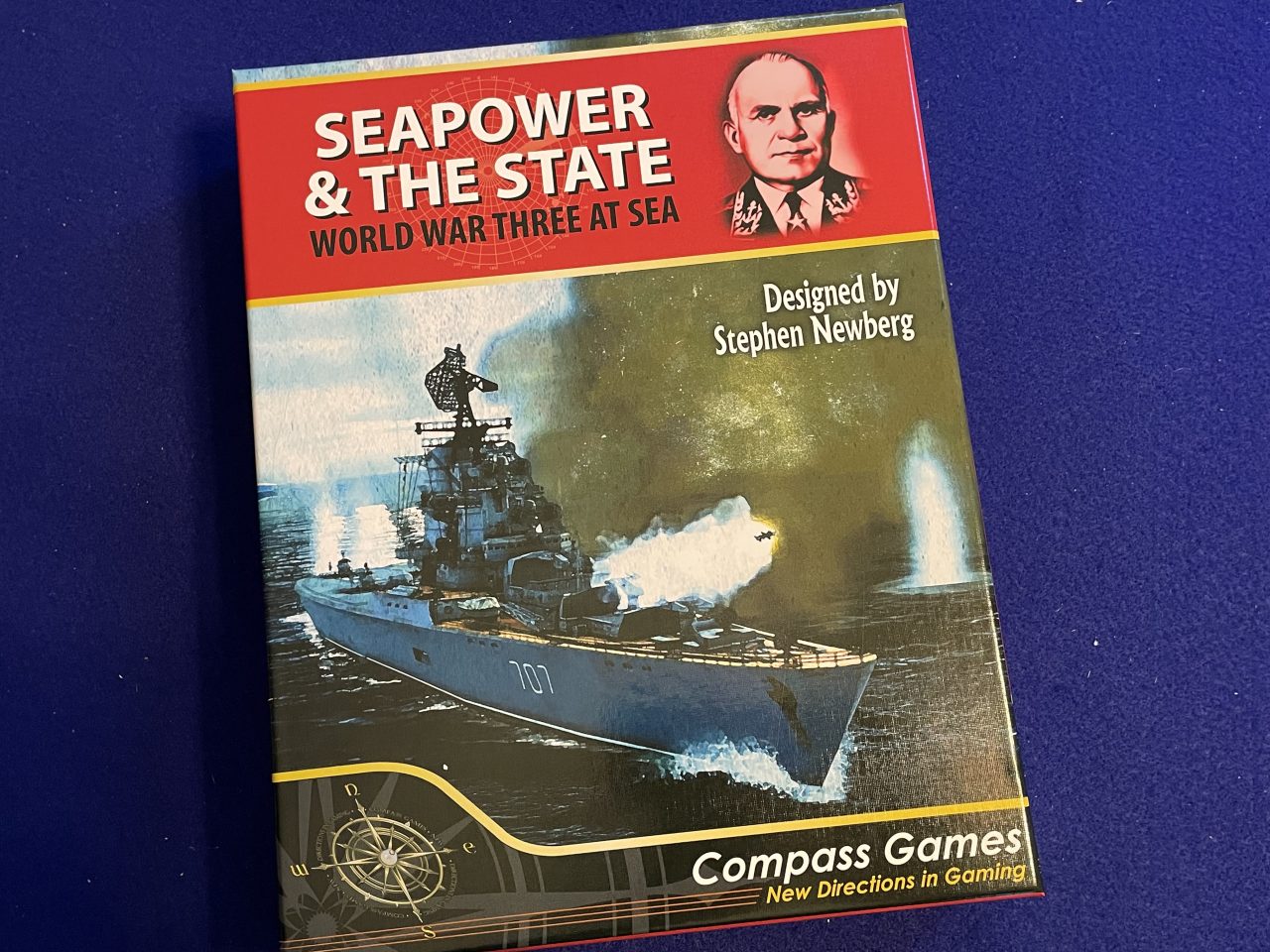
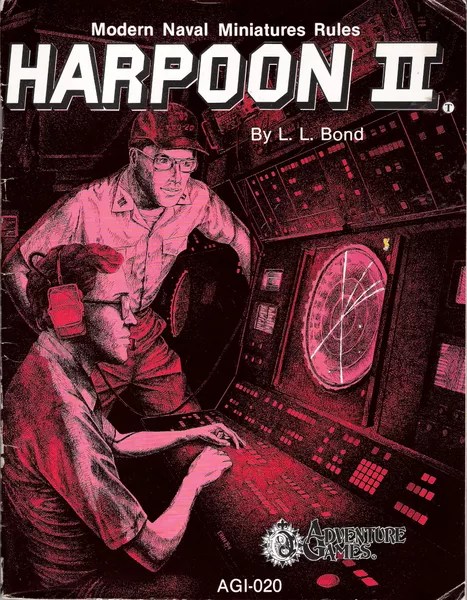

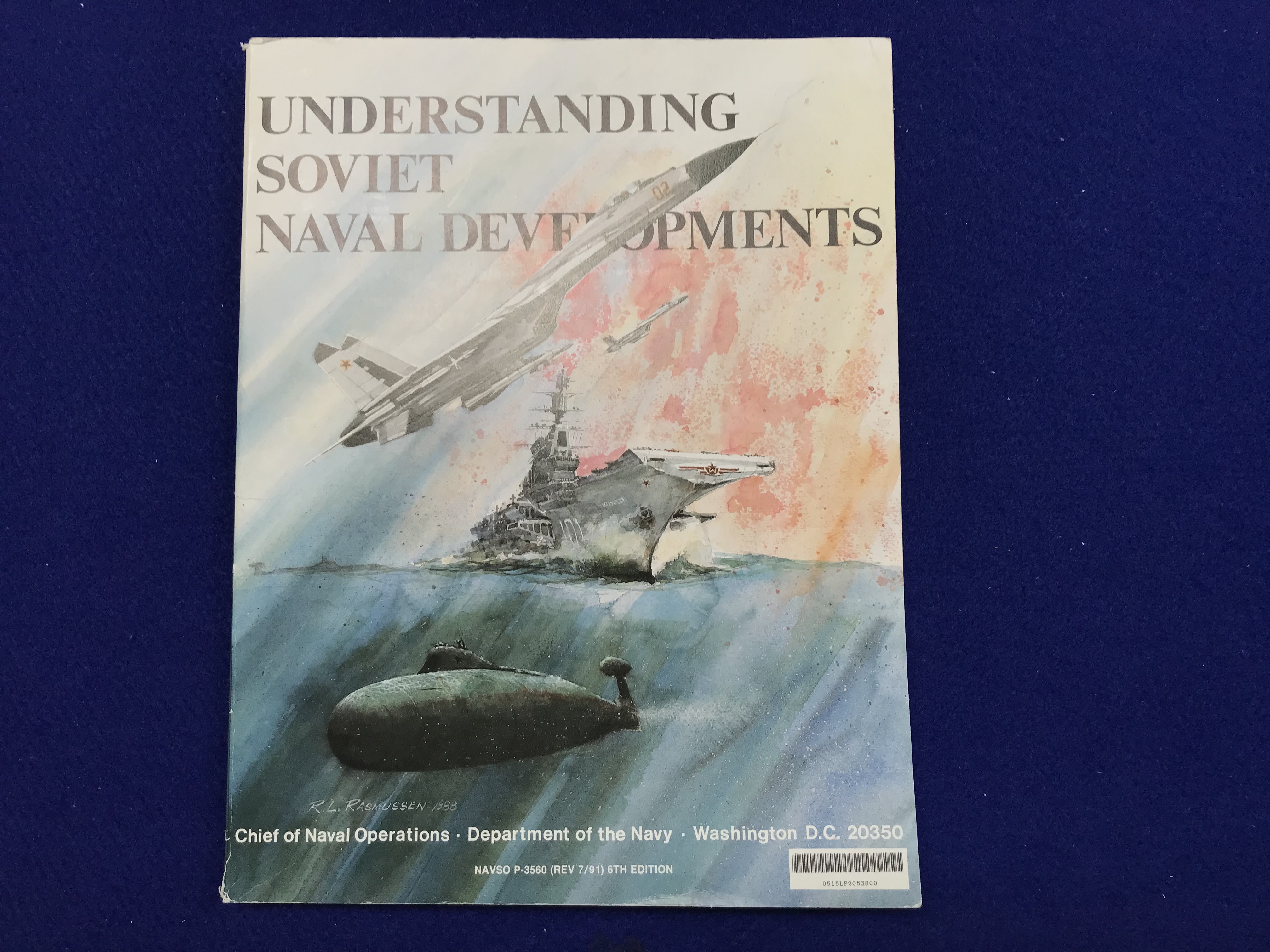
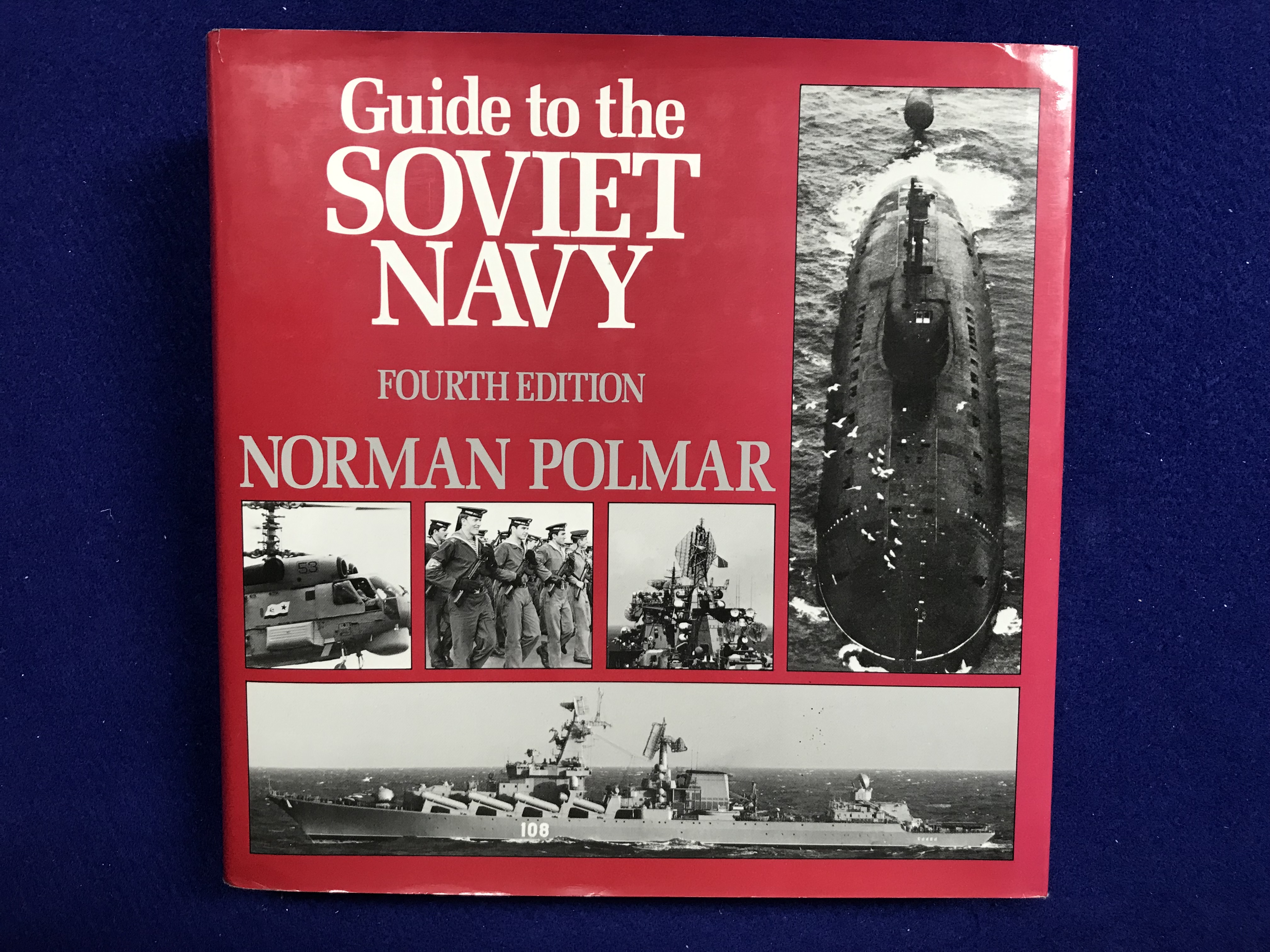

Some pundits are likely to look at At Sea Agains the Soviet Fleet and dismiss it as just another Cold War veteran pining for the past. To do so is, in my not-so-humble-opinion, very short-sighted. As the back of the book states, “Leese’s work reveals the intricate interplay between technology, strategy, and personnel in creating a effective intelligence framework that allows the U.S. Navy to assert influence at sea, setting conditions for sea control in conflict.” To borrow a bit from today’s Department of War lexicon, At Sea Against the Soviet Fleet shows how naval intelligence supports U.S. Navy operations to control the Sea Domain.
Now, the Army and Military Intelligence is charged with control of the Land Domain, and the Air Force with Air Intelligence does the Air Domain, and US Cyber Command with the National Signals Agency (NSA) works the Cyber Domain. Technically, the US Space Force (USSF) is charged to control the Space Domain. That means that there is supposed to be a Space Force intelligence enterprise to support operations to control space.
As much as the US Space Force likely does not want to admit it, the current state of Space Intelligence is probably more like the early Cold War days of US Naval Intelligence that they will admit. Now, I am not saying that At Sea Against the Soviet Fleet should be the blueprint for Space Force intelligence but, well, it certainly should be studied.
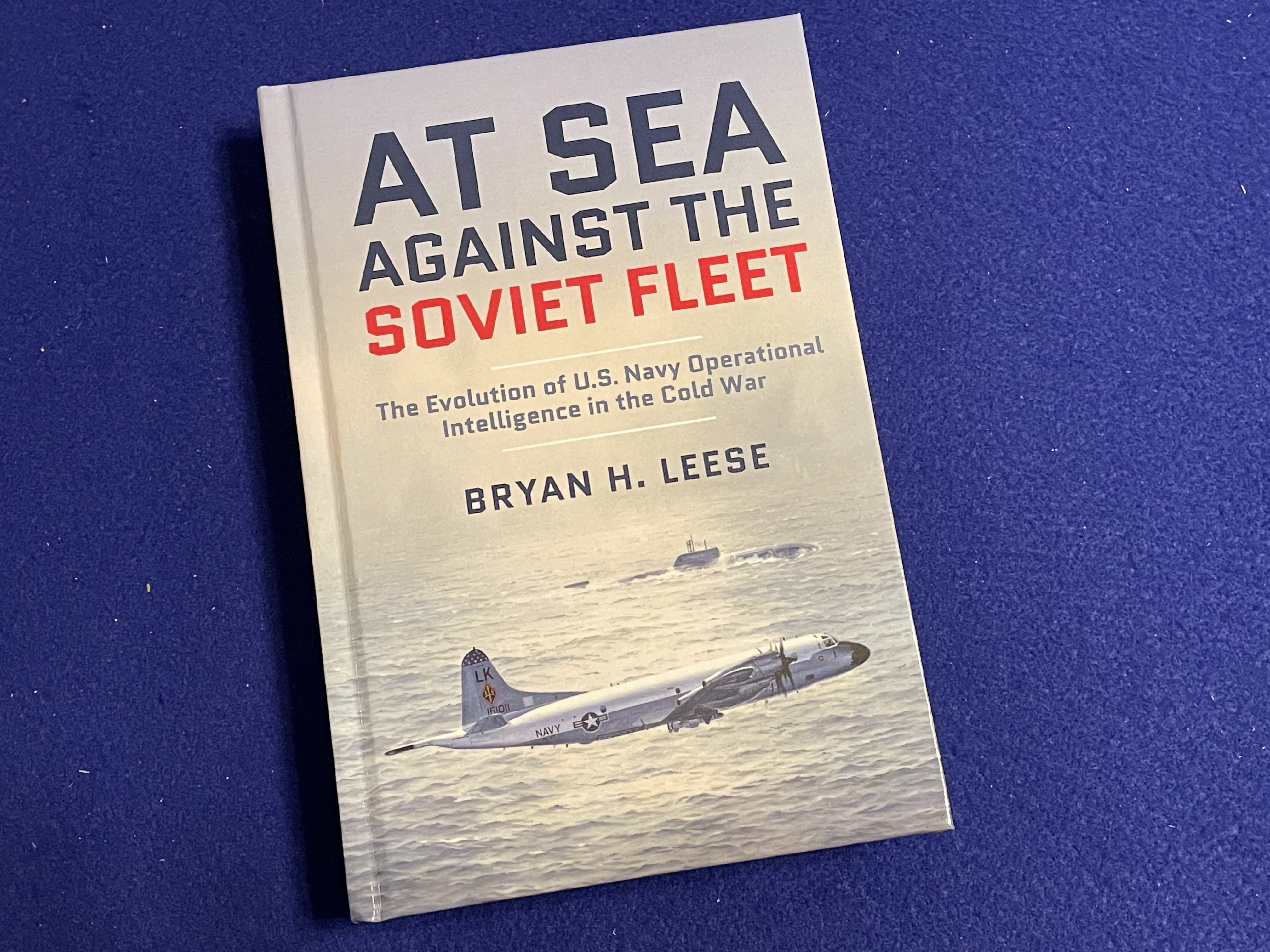
Leese, Bryan H. (2025) At Sea Against the Soviet Fleet: The Evolution of U.S. Navy Operational Intelligence in the Cold War. Annapolis: Naval Institute Press.
Feature image courtesy RMN
The opinions and views expressed in this blog are those of the author alone and are presented in a personal capacity. They do not necessarily represent the views of U.S. Navy or any other U.S. government Department, Service, Agency, Office, or employer.
RockyMountainNavy.com © 2007-2026 by Ian B is licensed under CC BY-SA 4.0


If you want to see Bryan Leese talk about his book, go to the link. Yours truly introduces him. https://www.youtube.com/watch?v=lr-8OW8_-XY&t=3s
If you want to see Bryan Leese talk about his book, go to the link. Yours truly introduces him. https://www.youtube.com/watch?v=lr-8OW8_-XY&t=3s