
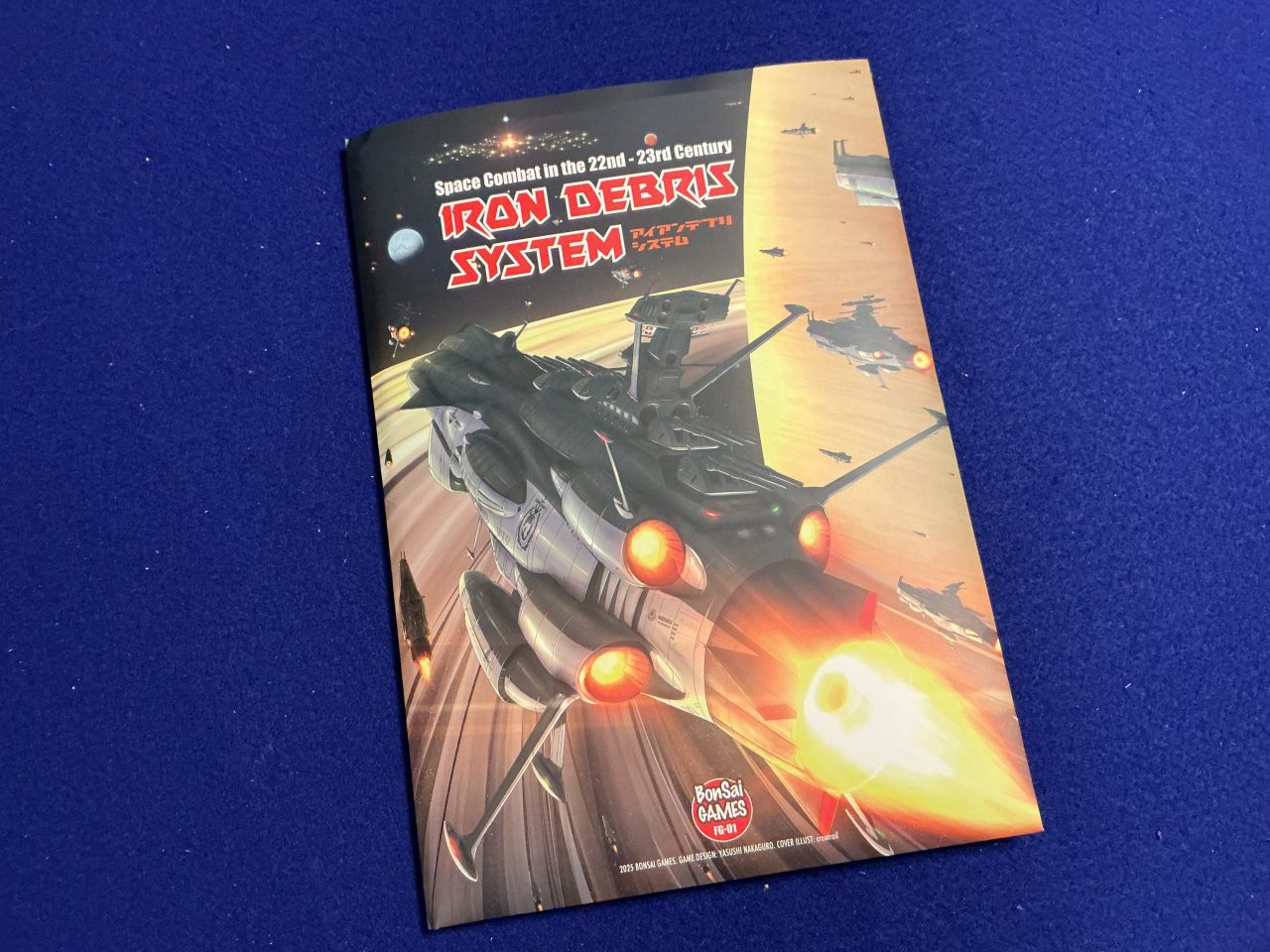
Thanks (again) the the generosity of Yasushi Nakaguro, the publisher and creative powerhouse behind Bonsai Games from Japan, I acquired yet another Japanese-language wargame of particular interest to me. In late 2025, Yas published the second edition of his Iron Debris System – Space Battles in the 22nd-23rd Century. The wargame is based on the mid-1970’s anime Space Battleship Yamoto and later media which I saw in the States when it was released as Star Blazers in the late-1970s (though I more likely watched it in the early 1980s). In Star Blazers a salvaged battleship Yamato—sunk in World War II—is rebuilt with alien technology and equipped with a devastating Wave Motion Gun to save Earth. I call this Iron Debris System game “Doujin Yamato” as it is a fan-made work and NOT for wide commercial release. As a matter of fact, the IP holders could legally demand that Yas not publish the game but in reality doujin works are generally tolerated—in Japan—as long as they do not create commercial harm. As a wargame, Doujin Yamato is a creative work that mixes elements of classic naval wargames, especially those from World War II with carrier battles, and science-fiction to create a fun gaming experience that delivers the essence of Space Battleship Yamoto starship combat on the tabletop.
[What is Doujin?]
[“Doujin” (同人, dōjin) in Japan refers to self-published works created by amateurs or small groups of creators. Common points:
- Value: Collectible and influential some doujin works inspire commercial releases or lead creators into professional careers.
- Scope: Includes doujinshi (self-published comics), doujin music (fan or original albums), doujin games, doujin novels, artbooks, and more.
- Creators: Often independent artists, writers, hobbyist circles, or small teams (called “circles”).
- Content: Can be original stories or fan works using existing characters/series; styles range from casual hobby projects to highly professional-quality productions.
- Distribution: Sold directly at events, online stores, or digital platforms; creators retain creative control and often limited print runs.
- Culture: Important part of fan and indie creative culture in Japan—encourages experimentation, community feedback, and networking; some professional creators started in doujin circles.
- Legal/ethical: Fan works technically infringe copyrights but are commonly tolerated by rights holders in Japan when not causing commercial harm; enforcement varies. (Source: duck.ai)]
TheYamato folio
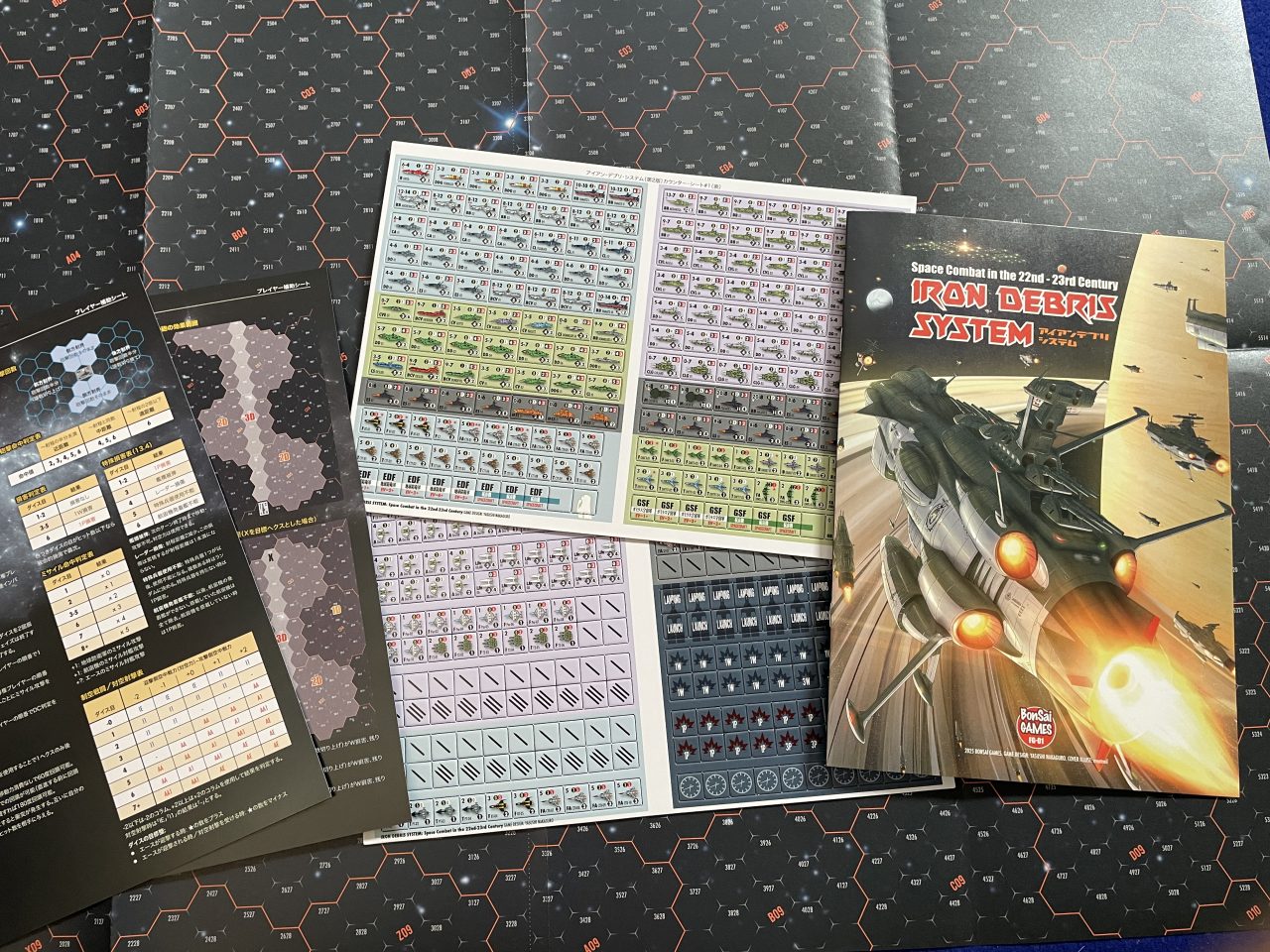
Iron Debris System is published by Bonsai Games in their folio format. The Iron Debris folio package, as a whole, is of incredible quality; this is easily the best-looking of the Bonsai folio games produced in 2025 (and that includes my favorite The Pacific War: Deadly Bloody Battles of Combined Fleet which was my small-format Wargame of the Year in 2025).
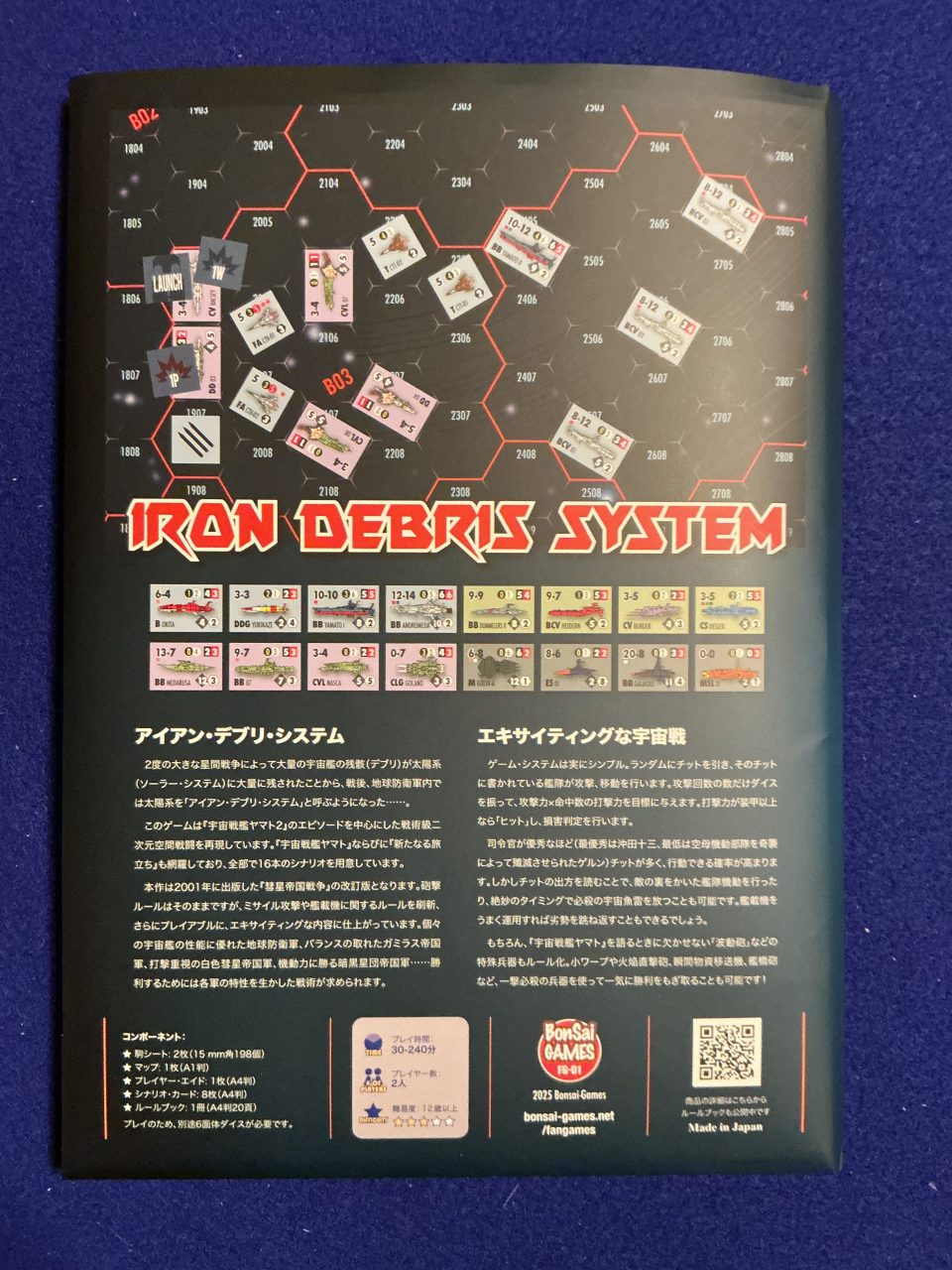
The folio for Iron Debris System includes:
- A glossy, full-color, well-illustrated, 20-page rulebook.
- Two full-color countersheets with nearly 200 counters; most ships are rectangular 13mm x 20mm and others are 13mm squares.
- Two double-sided, full-color, Player Aids.
- Fifteen battle and one Campaign scenario printed on eight double-sided, glossy, slightly-heavier cardstock pages.
- A color map (~23 1/4″ x 33″) with 20mm hexes and 13-hex “mega-hexes” (or “Giga-Hexes” as mentioned in the rules).
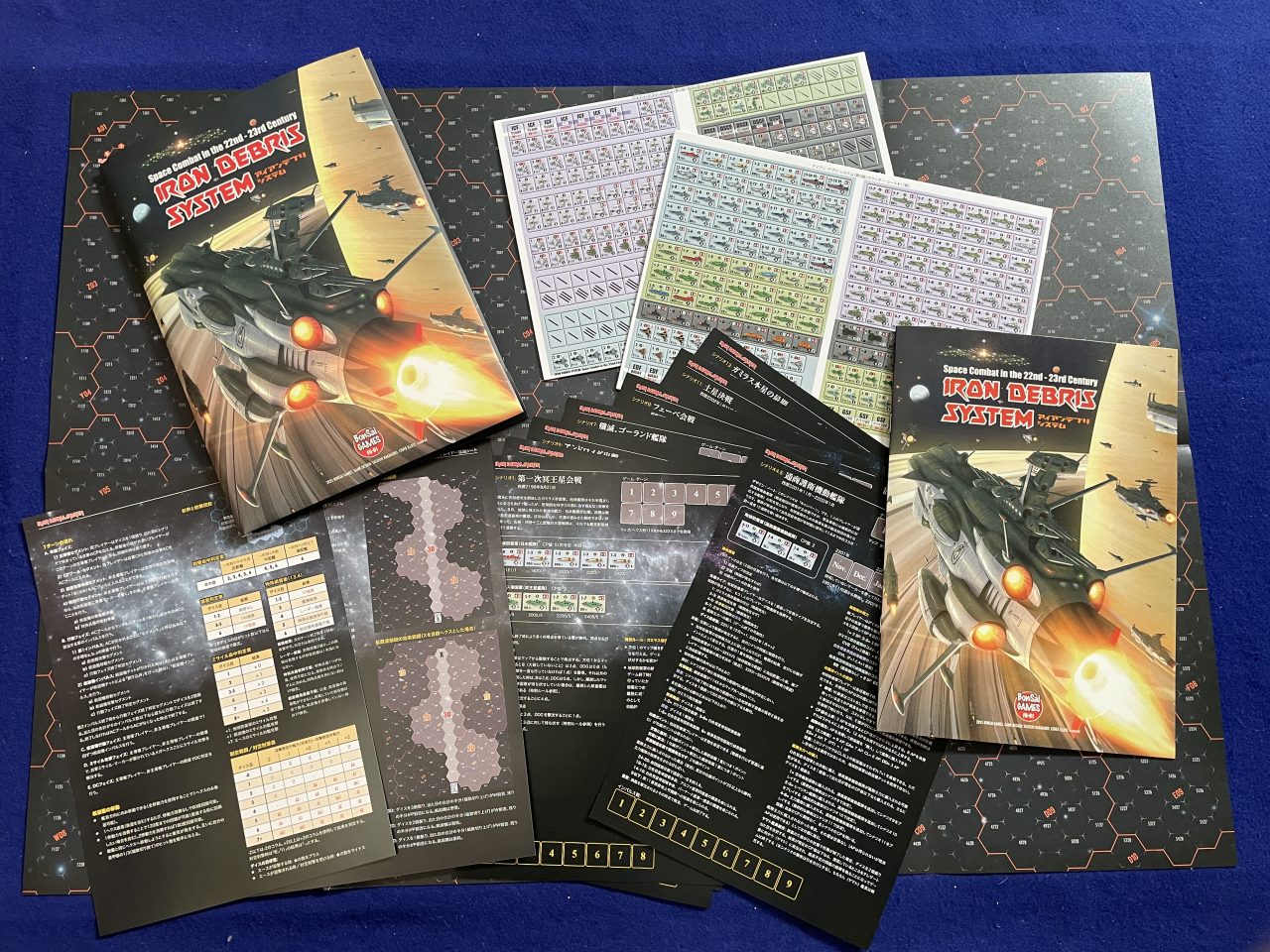
[I used Notebook LM to translate a pdf version of the rulebook from Japanese to English. As compared to my translation attempts dating back a year, Notebook LM progressively improves with every new rulebook translated. Part of the progress is that I am getting better at using Notebook LM to translate; the other is that Notebook LM is “learning” how to better translate. Importantly, I am thrilled that my more recent translation attempts preserve far more of the original formatting than before. My translated rulebook came out to 32 pages, a page-count “growth” of 60% (and that is without graphics).]
Yamato legacy
The Iron Debris System is not based on any one particular set of naval warfare wargaming rules though one can feel the legacy of many different games flow through the game mechanisms. The core rules are nothing particularly fancy but rather an assemblage of various game mechanisms employed in interesting, if not a bit unusual, yet exciting ways:
Action Chits (AC). Within each Turn, player Phases occur based on the draw of Action Chits. The number of AC placed in the pool is determined by the Command Point (CP) assigned in the scenario. Additionally, not all AC are the same; different chits activate different units based on their Energy Value (EV – capacity to act in a turn) and the Turn can end randomly. Some AC are “Starfighter” and activate fighters, When activated, a sequence of Attack-Move for ships or Move-Attack for fighters in performed.
Starship Combat. A number of dice equal to the Gunnery Frequency is rolled with the To-Hit number determined by range. The number of Hits is multiplied by the Strike Power which is compared to the Armor Value. If Strike Power exceeds Armor then divide Strike Power by Armor value, drop fractions, and roll that many times on the Damage Determination Table. While that sounds like many steps, it resolves quickly once understood. Damage itself comes in two flavors: Weapons and Power which are tracked with marker chits. I also really enjoy the Critical Damage Rule (5.1.7) which uses two colored die in a novel manner:
5.1.7 Critical Damage: If an attack scores 2 or more hits on an enemy ship, roll all damage dice together, including two dice of a different color (hereafter “colored dice”). Regardless of the results on the Damage Determination Table, if the sum of the two colored dice is equal to or less than the number of hits, the target ship is instantly sunk (轰沈) (refer to 13.5).
Missile Combat. A very simplified system that abstracts most missile and anti-missile combat. Missiles are launched into Mega-Hexes and, when resolved, the side with the lesser number of missiles is removed while the larget side has to remove a number of missiles equal to the lower-side amount. Remaining missiles roll to determine the Missile Strike Power based on the “accuracy” of the missiles. Missile Strike Power is divided by Anti-Air from the defenders; the result is the number of “Hits” assignable to targets in the Mega-Hex.
Starship Movement. A very simple one (1) Movement Point (MP) per hex with additional cost beyond “free” turns or moving in reverse.
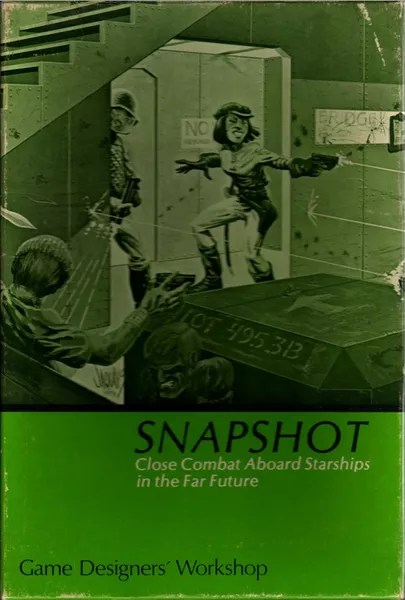
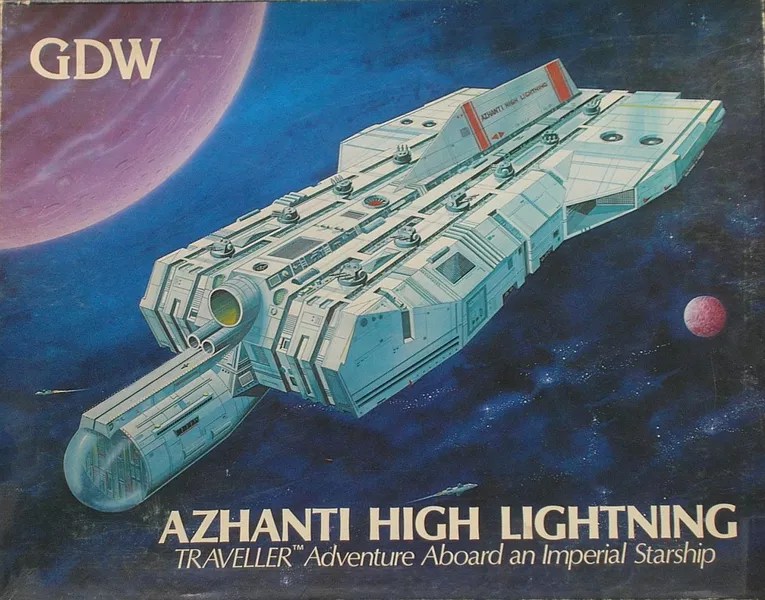
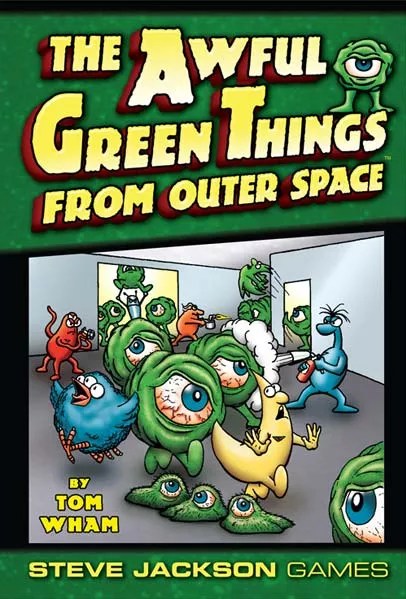
Collision. I always thought that starships colliding in space was silly but, like the later $tar War$ movies, if it fits the setting then why not? And Boarding Actions? That appeals to my Snapshot (GDW) or Azhanti High Lightening (GDW) heart (or maybe you are an The Awful Green Things from Outer Space Fan (SJ Games))!
Starfighters. Little versatile beasts. When launched can perform missions such as Anti-Fighter, Anti-Ship, and Long-Range Missile Launch.
A basic game of Iron Debris is playable with just the core rules. The Optional Rules, however, is where the “setting” of Doujin Yamato comes through.
Waves of Earth
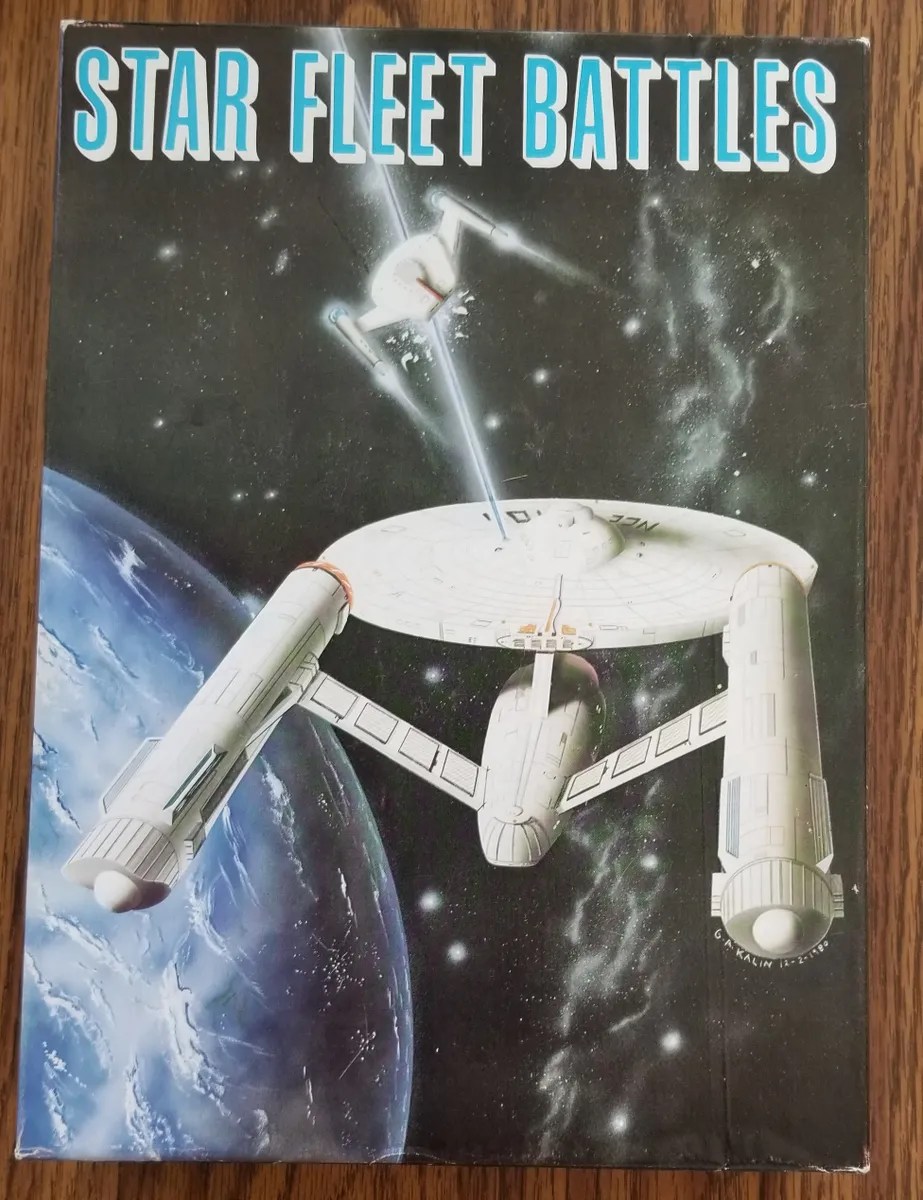
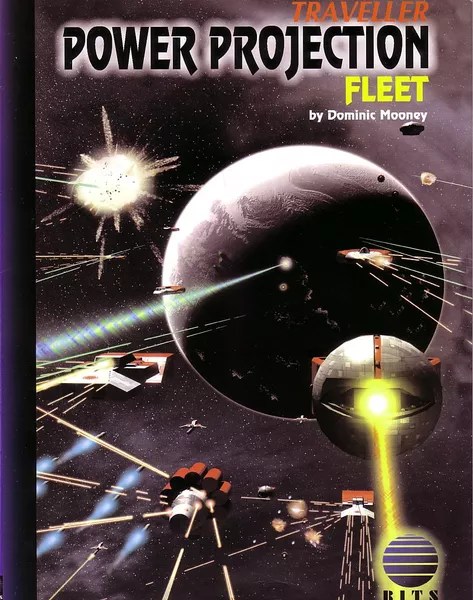
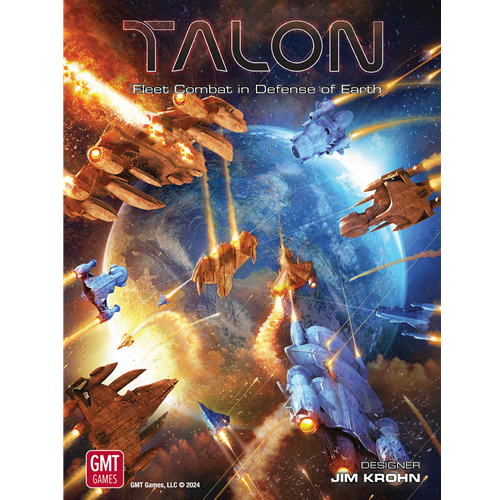
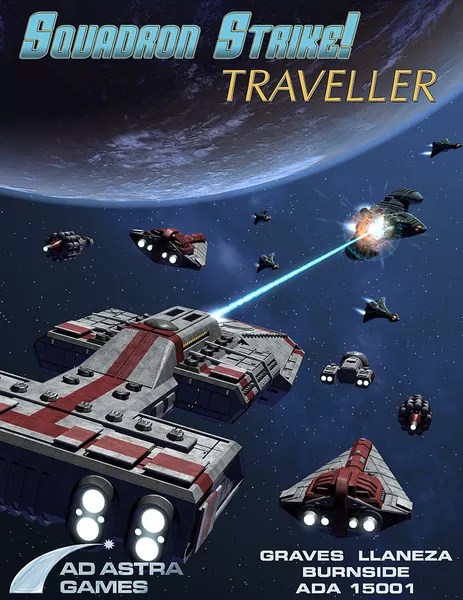
In Doujin Yamato, the battleship Yamato is part of the Earth Space Force (ESF) which have special “attribute” rules for Wave Guns (9.1, 9.2, 9.3), Tactical Warp (9.5), and Elite Crews (9.6). Like other rules in the Iron Debris System none are complicated to learn or execute yet each captures the flavor of the attribute in highly game-quantified ways. Wave Guns in particular require preparations and have restricted lines of fire. If players are familiar with other sci-fi wargames like Star Fleet Battles (Task Force Games) or Power Projection: Fleet (BITS) or Talon (GMT Games) or capital ships in the Traveller roleplaying game where “main battery” weapons are extremely powerful but require extra time to prepare and are limited in how they are employed the rules in Iron Debris likely will seem familiar.
Gamila matters
The primary opponent of Earth, the Gamila’s weapons are different. The rules for their use in Iron Debris usually appear as variations of the Core or Earth rules. For example, the Gamila Instant Matter Transporter (10.1) is a “gun” that has an “effect” like Earth’s Tactical Warp (9.5). It is a great testimony to the design by Yas that these alien devices appear that way in the game without the need to resort to totally foreign game mechanisms.
White Comet comments
Like Earth and Gamila, the White Comet weapons are again “variations of a theme” that do not require extensive rules. For example, whereas the Earth Wave Motion Gun (9.1) attacks every every ship in the Mega-Hexes along the line of fire in the Attack Segment, the White Comet Flame Strike Gun (11.1) attacks a single ship in a single Mega-Hex at the end of the Missile Attack Phase. A simple rules variation yet with an evocative thematic difference.
Dark Nebula less nebulous and more options
The primary thematic change for Dark Nebula weapons are their Shields (12.1). A small handful of other optional rules appear but none are onerous. Taken as a whole, none of the “Optional” rules are particularly difficult to use. I found it quite easy to play a “full-up” (i.e. all the rules needed) scenario as a first go as none of the rules are difficult to learn or implement. But you don’t necessarily have to if you play the scenarios in order as they “naturally” introduce new rules.
“Go ahead. Fire it. Fire the gun. I’ve been most anxious to see what this great weapon of yours can do, so… fire the gun…” (Gamilon Leader Desslok)
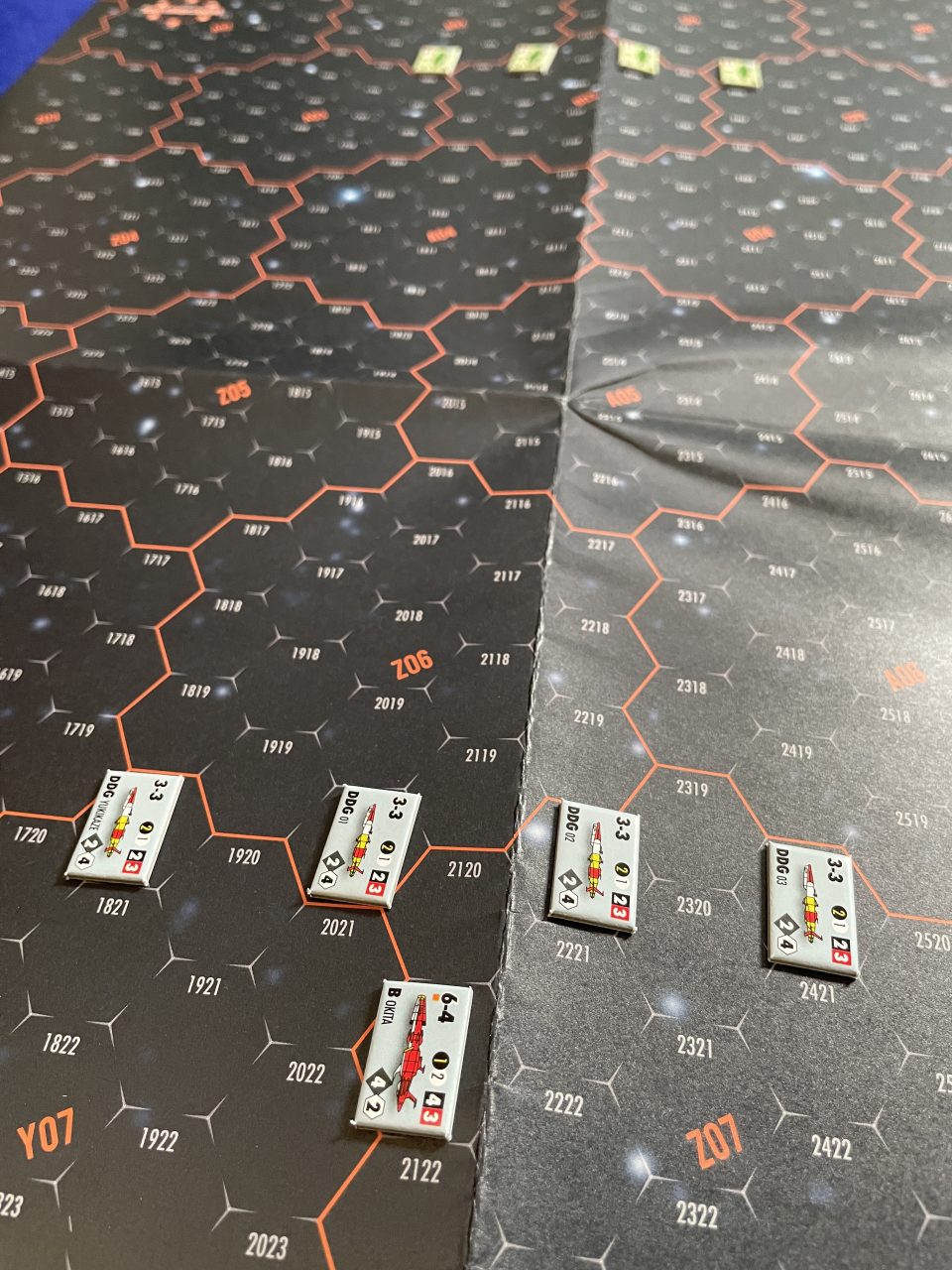
After translating the rules to the Iron Debris System, reading them, and pushing a few counters around to acquaint myself with various subsystems I went ahead and played “Scenario 1: The First Pluto Battle” which sees an Earth Task Force consisting of Okita’s battleship (B) and four “Space Assault Destroyers” (DDG) squaring off against a four-ship Gamila destroyer squadron. This is an escape scenario where the Earth Task Force must exit the map while extracting a price on the Gamila force. This is an excellent scenario to use to learn the core rules. As a matter of fact, the first three scenarios form an excellent programmed learning-like series where Scenario 1 introduces the basics of movement and combat, Scenario 2 introduces Space Battleship Yamato and its Wave Gun, and Scenario 3 introduces fighters. The ultimate scenario is the campaign game which I have looked over but have yet to get to the gaming table. Perhaps later this summer… .
Not your Daddy’s Yamato
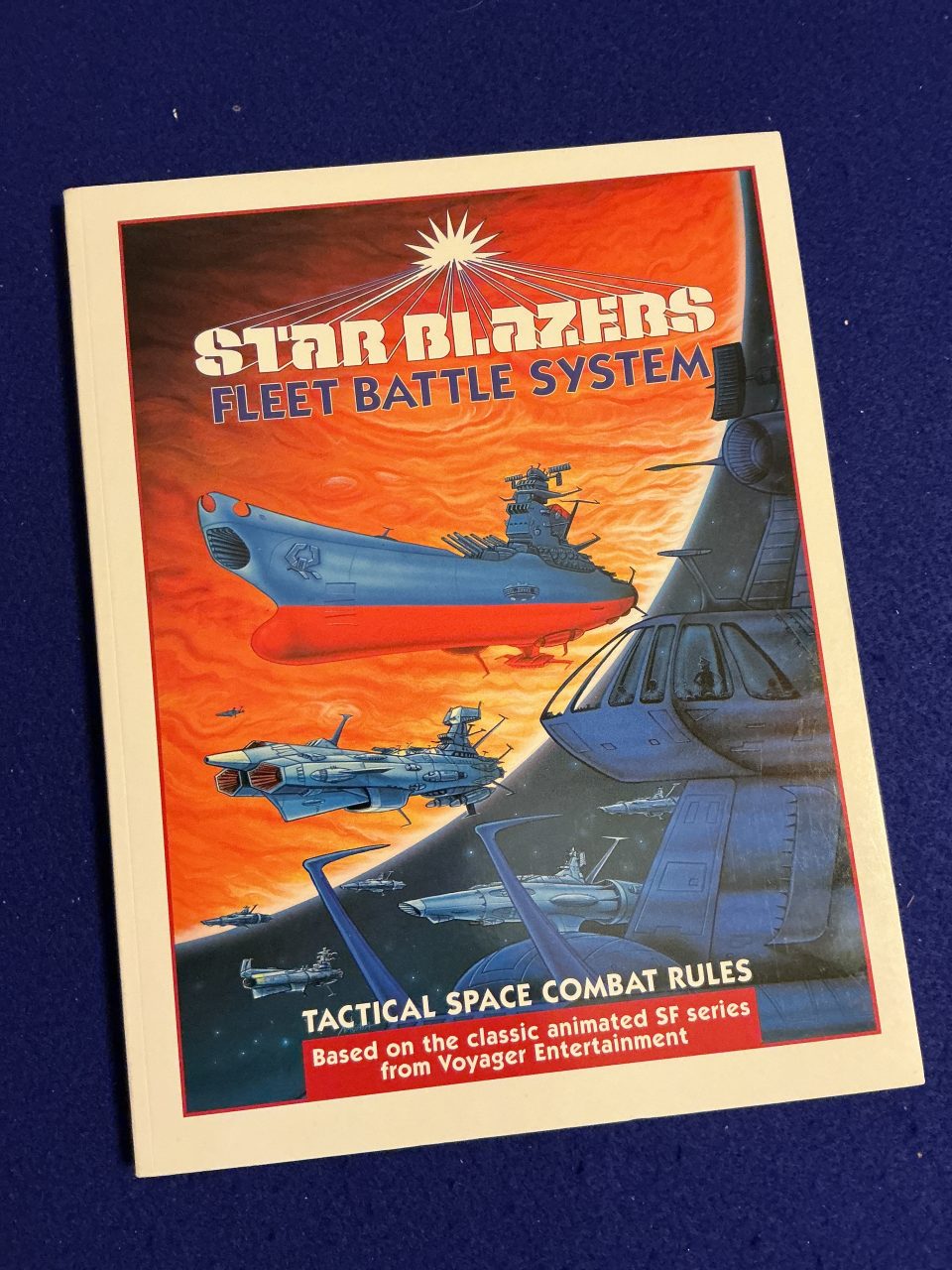
The Iron Debris System/Doujin Yamato is not the first Space Battleship Yamato wargame in my collection. That honor goes to Star Blazers Fleet Battle System: Tactical Space Combat Rules by Keith A. Johannsen published by Voyager Entertainment and Musashi Enterprises in 1997. My copy is the 150-page Module I: The Gamilon and White Comet Wars 2199-2201 that retailed for $25.95 in 1997 (roughly equal to $52 in 2026). The game was obviously made to support a line of metal miniatures that I never saw myself and gameplay was on a hex map. Star Blazers is very much from the ilk of Star Fleet Battles or Battlewagon where ships are represented with Ship System Displays (SSD). The similarities to Star Fleet Battles likely is what drew me to the game at the time.
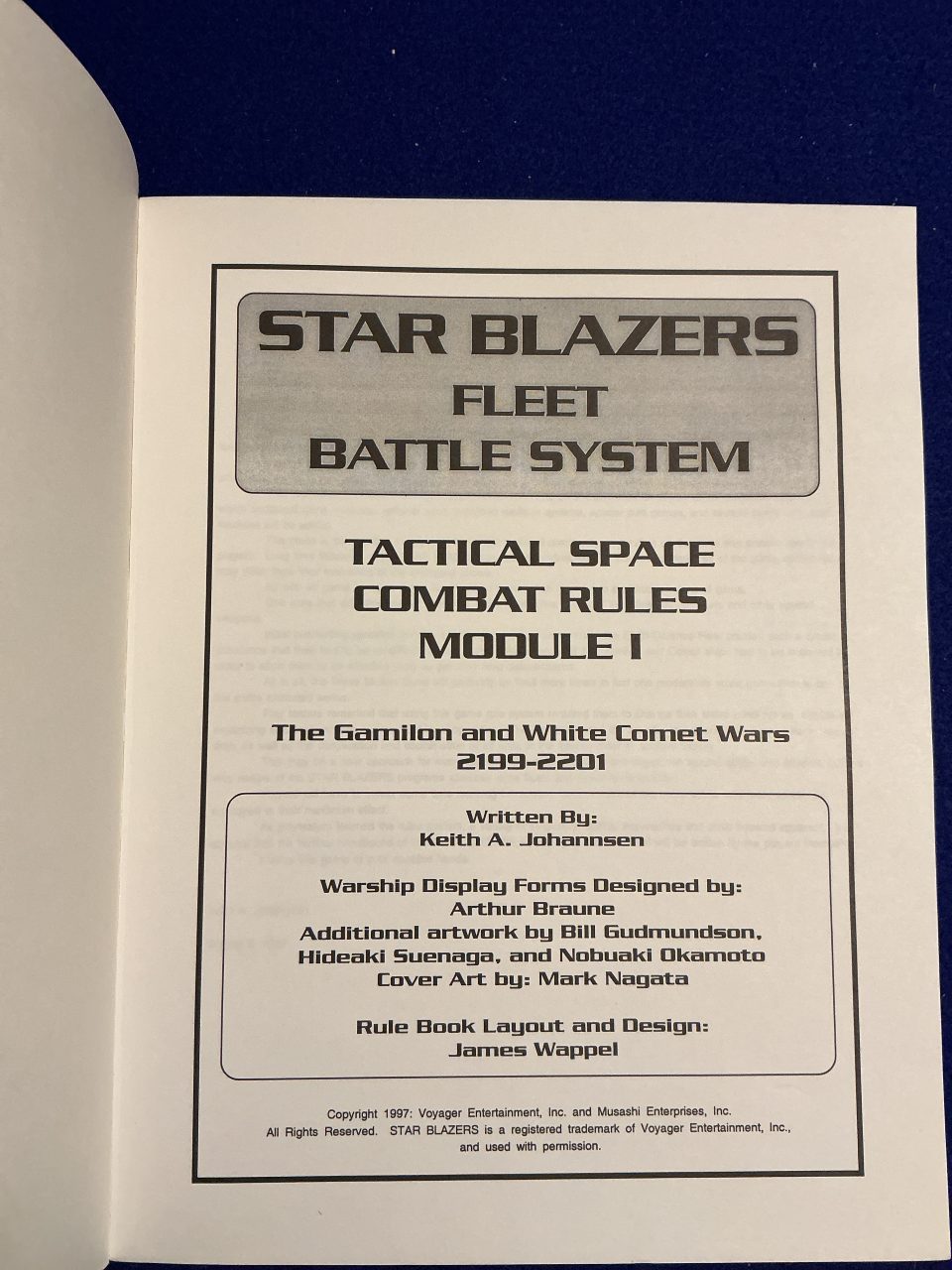
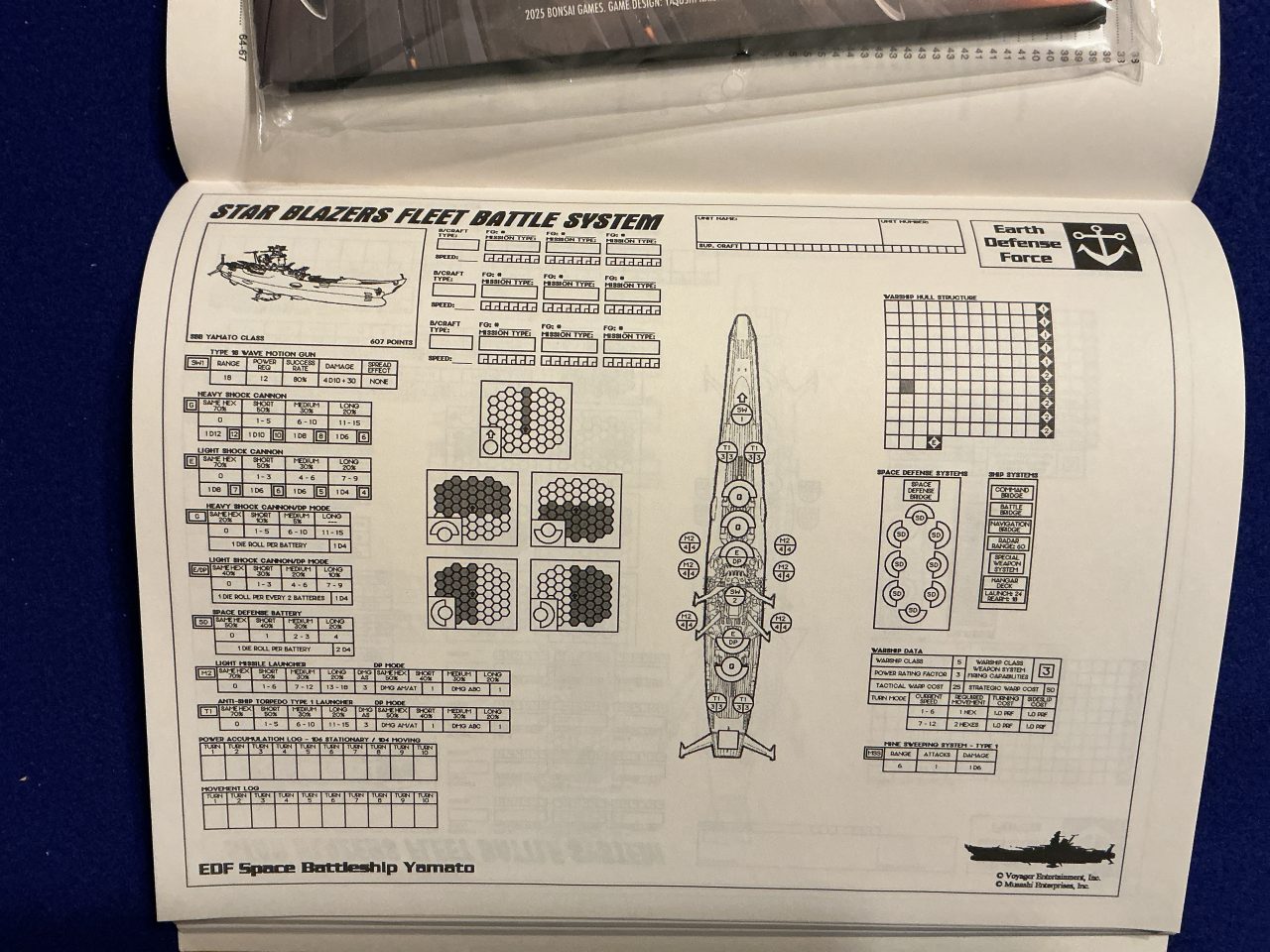
Both Iron Debris and Star Blazers meet-or-exceed my expectations for bringing the Space Battleship Yamato theme to the wargaming table. Aside from Doujin Yamato being playable as delivered—no minis or home-printed paper ship chits required—Star Blazers is admittedly a more complex set of rules than Iron Debris. For example, the Advanced Game Sequence of Play for Star Blazers is 26 steps with more than a few of those having multiple sub-steps. In this respect Iron Debris is the much more streamlined set of rules.
Nowhere is the streamlining of rules better shown than the use of Mega-Hexes in Iron Debris that neatly “abstract out” or “make easy” potentially complicated rules. At one point Yas comments, “In previous versions, starfighter rules were detailed to show subtle differences between models, but because the processing was cumbersome, significant changes were made for this edition. The CAP (Combat Air Patrol) rule was removed in favor of using Mega-Hexes to represent guarded areas of space” (see “Designer’s Notes on EDF Units”). That is ruthless simplification I can get behind because the results are awesome to play.
The lack of bookkeeping also is an advantage of the Iron Debris System; though I long disliked adding markers to counters on the map the number used in Iron Debris is not excessive nor too distracting that it complicates reading the game state of the board at-a-glance.
In the Designer’s Notes for the Iron Debris System, Yas relates:
This work is a refinement of The White Comet Empire War, which I originally created around 2000. The printing data had been missing for a long time, but its sudden discovery prompted this reprint. The rulebook had been overwritten around 2001 to manage starfighters and missiles using Mega-Hexes; however, I felt the 7-hex Mega-Hex didn’t achieve the desired effect, so I changed it to a 19-hex configuration (perhaps it should be called a “Giga-Hex“?). Similarly, I have simplified the procedures for aerial combat, anti-aircraft fire, and missile attacks, as they were previously too cumbersome.
Designer’s Notes (my translation assisted by Notebook LM)
It is also encouraging to see Yas feels there is more to be said using the Iron Debris System:
Once again, I was unable to include “Space Submarines” for the White Comet Empire in this edition. I think they could be implemented effectively using Mega-Hex-based movement plotting, but it wasn’t quite ready. If a future expansion kit covers Yamato III and introduces Dimensional Submarines, I intend to backtrack and add rules for Space Submarines and Dimensional Destroyers (the hypothetical setting for the Gamilas New-Type Destroyer).
Supplement (my translation assisted by Notebook LM)
As I never played The White Comet Empire War I cannot directly compare Iron Debris to its predecessor. Broadly speaking, however, the abstraction and obvious simplification of rules in Doujin Yamato is recognizable and commendable. Having cut my early wargaming teeth on the “Accountants in Space” complexity of Star Fleet Battles (and the superficially similar Star Blazers from 1997), rules complexity in space combat wargames does not necessarily offend me. That said, more streamlined systems like Federation Commander (ADB, 2006+) or (again) Talon (GMT Games) are welcome as they are easier to teach and therefore ultimately easier to get to the gaming table. That appears to be the case with this Doujin Yamato/Iron Debris System wargame; a highly thematic title with somewhat low-complexity rules that is equally easy to teach and play.
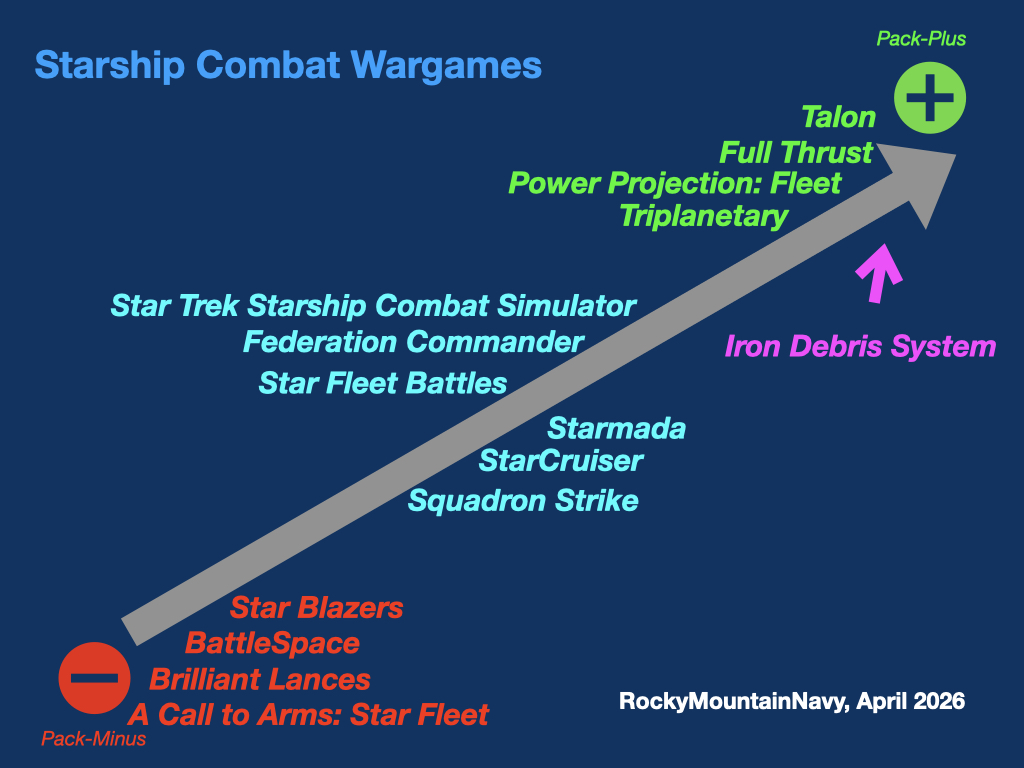
[As I look at starship combat wargames in my collection I see three broad groups: there are the Pack-Minus titles (those below average) where I place titles like Star Blazers. The second, the Pack or average grouping, is where Star Fleet Battles and many others reside. The above average titles, the Pack-Plus, is where I place games like Triplanetary, Full Thrust, and Talon (the last two being my highest-rated starship combat titles). That top-tier group is now expanding with the addition of Doujin Yamato/Iron Debris System which I will place against Talon any day of the week.]
Feature image courtesy @jcastillo67 on wallpapersafari.com
The opinions and views expressed in this blog are those of the author alone and are presented in a personal capacity. They do not necessarily represent the views of U.S. Navy or any other U.S. government Department, Service, Agency, Office, or employer.
RockyMountainNavy.com © 2007-2026 by Ian B is licensed under CC BY-SA 4.0
 Rocky Mountain Navy Gamer