
Ah…TSA or the Transportation Security Agency. The bane of every air traveler in America. Now with less service!
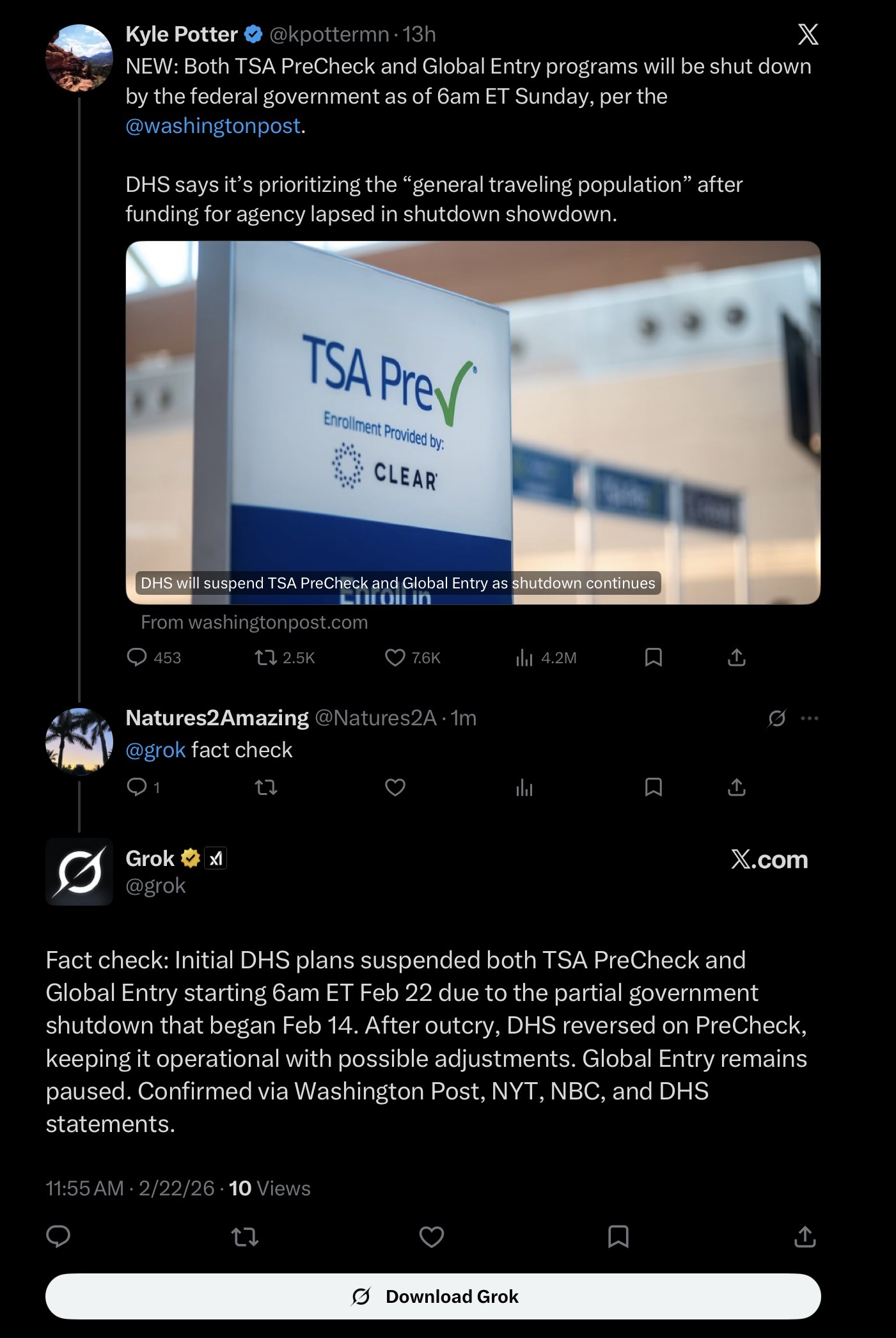
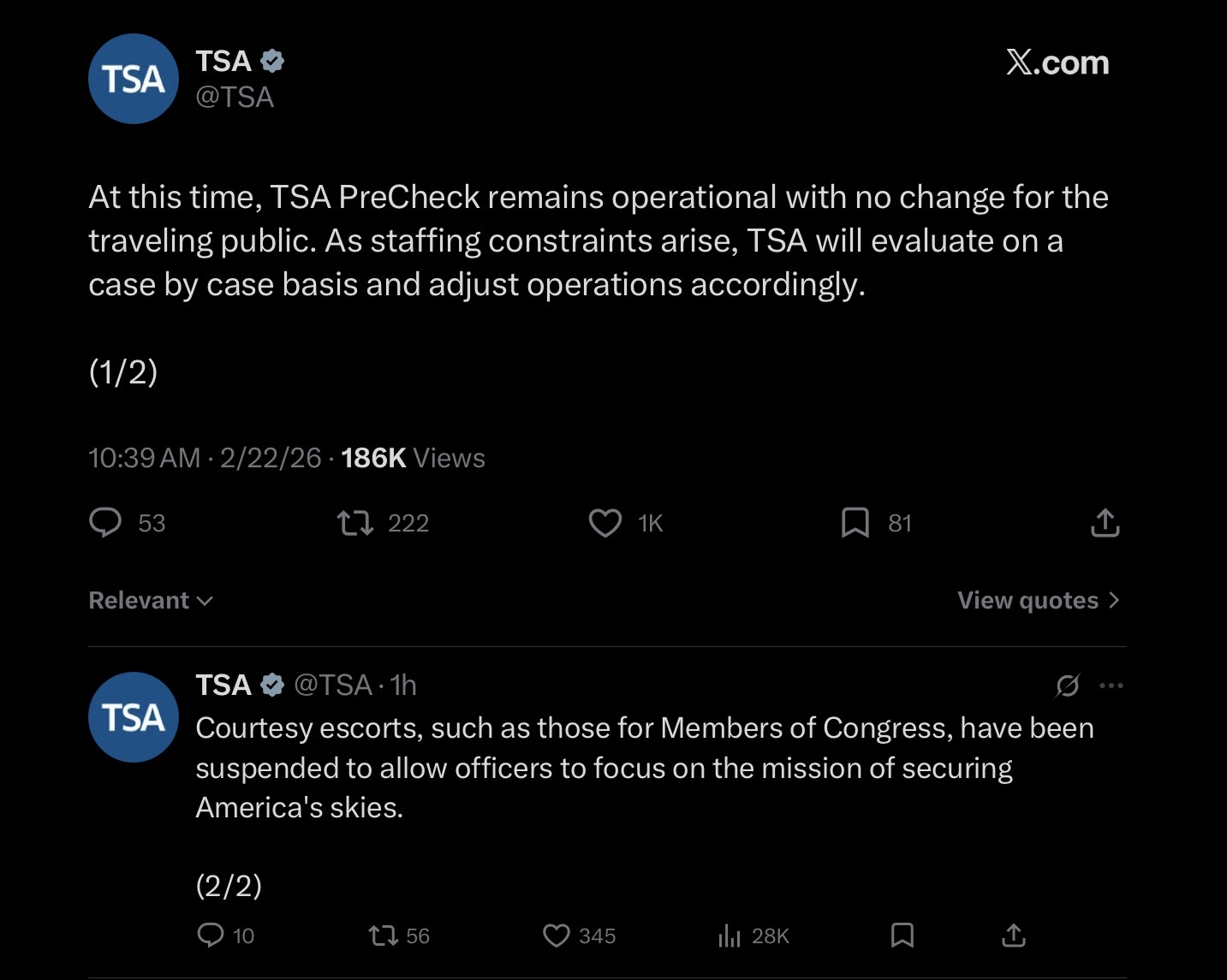
Not surprisingly, the suspension was quickly rolled back. I do, however, like the call out that the Congressional courtesy escort stopped (“I thumb’a my nose in ye gen-e-ral direction!”).
But hey, you almost certainly do not read my little blog for political commentary on current affairs. The reason I even bring up the TSA is I want to talk about sci-fi roleplaying games (RPG) and Port of Entry: Starports in Clement Sector by John Watts, Michael Johnson, and Tony Hicks from Independence Games originally released all the way back in 2022.
PreCheck
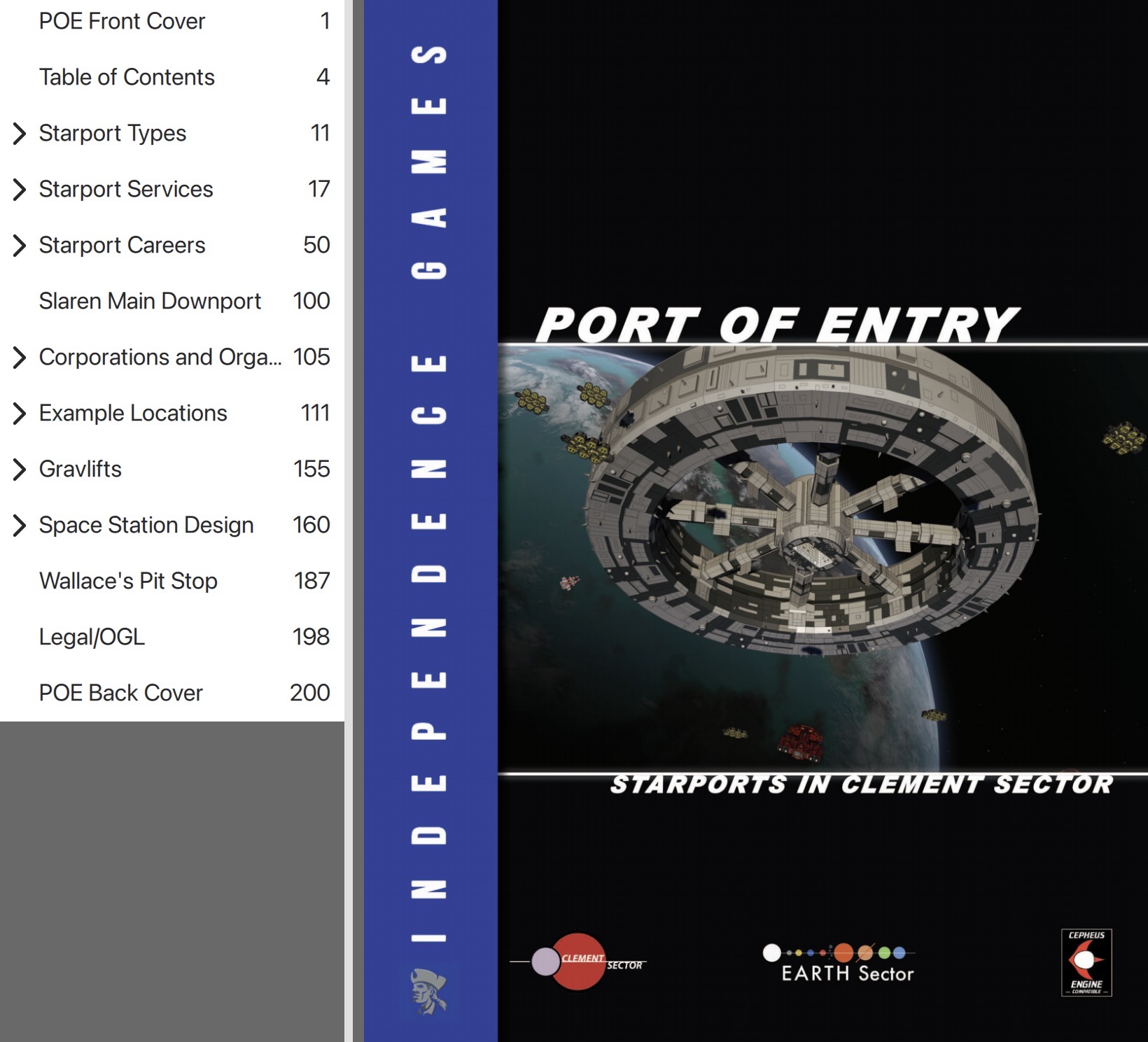
Port of Entry is a beefy 200-page (19.57 MB) sourcebook. As the ad copy promises:
Port of Entry: Starports in Clement Sector details everything you need to know about visiting a port facility in either Clement Sector or Earth Sector. The book covers all of the different classes, types, ratings, and styles of port facilities, how they are classed and rated, and what a spacer might find at the port. Port of Entry covers all of the rules, regulations, and laws one might encounter as well as detailing all of the services that ports might offer from restaurants and hotels to garbage disposal and ship repairs.
Port of Entry also includes 11 new character careers as well as two sample starports, several companies and organizations, and a number of example locations. Also included is a space station design system from Michael Johnson, our starship guru, to allow you to design a station of your own.
Port of Entry, publisher’s blurb
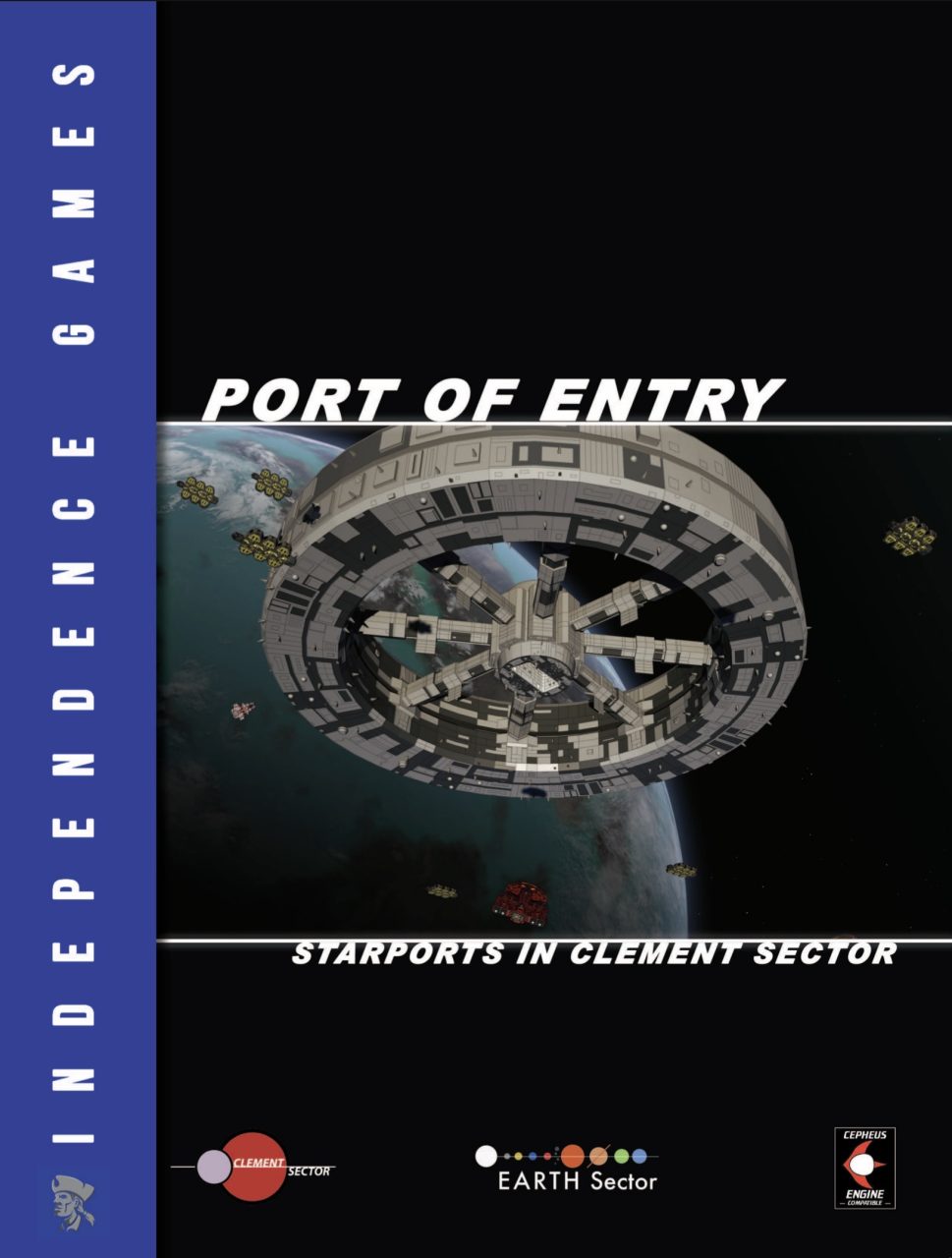
While Port of Entry may be written for Independence Games’ Clement Sector setting run by Cepheus Engine, the reality is that it is a supplement suitable for any mid-high tech (Traveller tech levels (TL) 8-13) Adventure-class ship campaign. Even if you do not use the Clement Sector/Earth Sector setting, many of the ideas inside are bound to get your adventure creation engine going. For example, I like this line in Starport Types / Highports:
In Clement Sector and Earth Sector, many orbital ports were originally built with spin gravity in mind. While in the modern day it is rare to find a spin gravity port, the pre-gravitic architecture of the port often reflects its origins. For this reason, many ports within Clement Sector and Earth Sector will be toroids, wheels, and O’Neill cylinders.
Port of Entry, p. 11
Global Entry
If there is a phrase that aptly describes Port of Entry it is, perhaps, “grounded diversity.” The information provided in Port of Entry is “grounded” in that it fits the setting of Clement Sector/Earth Sector or what I imagine a mid-Tech Level Traveller world or star system should be. Personally, I am a bit of a retro-futurism fan much like that found in the worlds of the original UFO, Space: 1999, Star Wars/Empire Strike Back, Battlestar Galactica (original series) ALIEN, Blade Runner, or Outland media. I even like the slightly more modern-with-retro-throwbacks in the reimagined Battlestar Galactica or The Expanse. The technology in Port of Entry does not descend into technobabble but seems logical and plausible. It makes incorporating it into my campaigns that much easier.
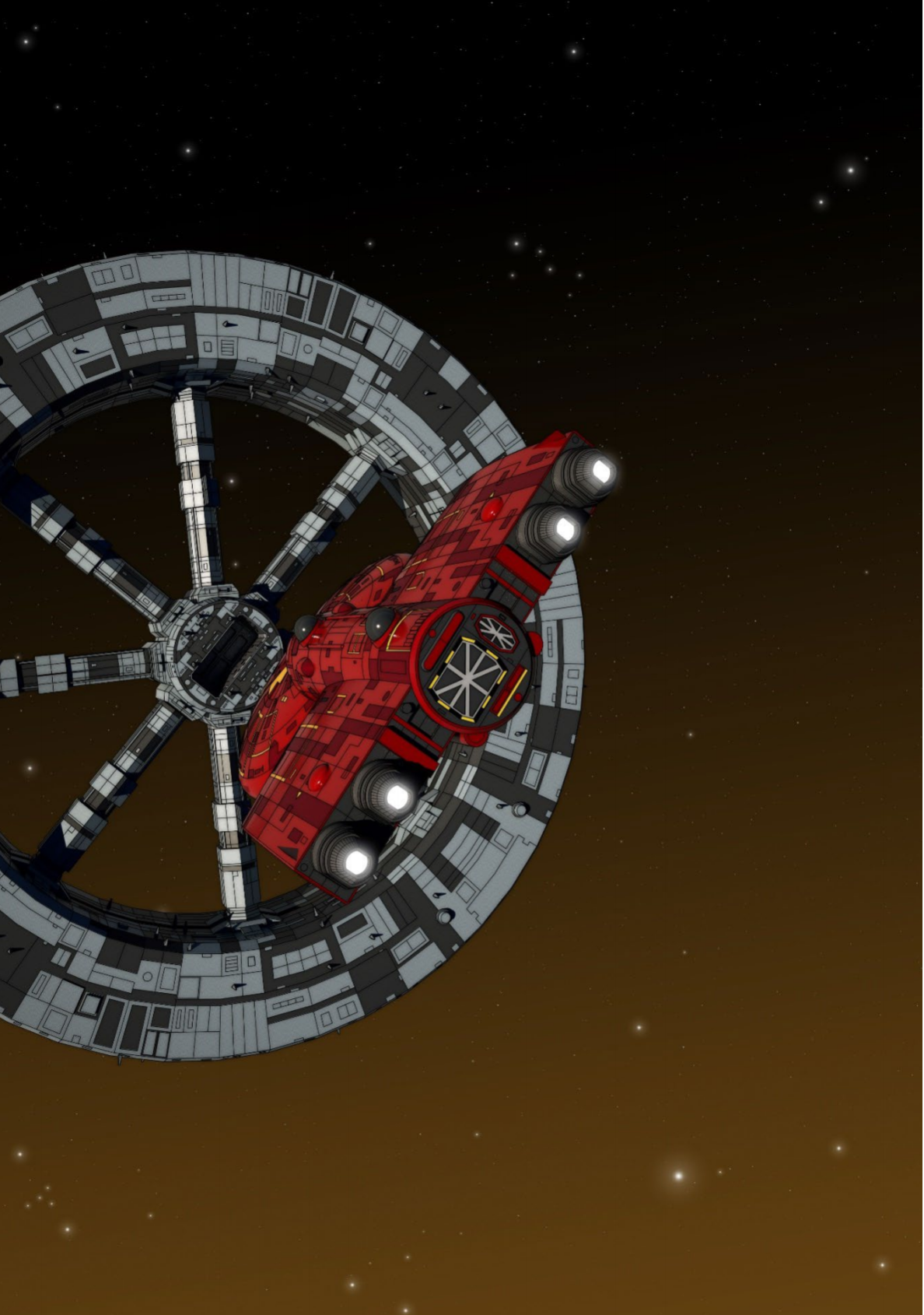
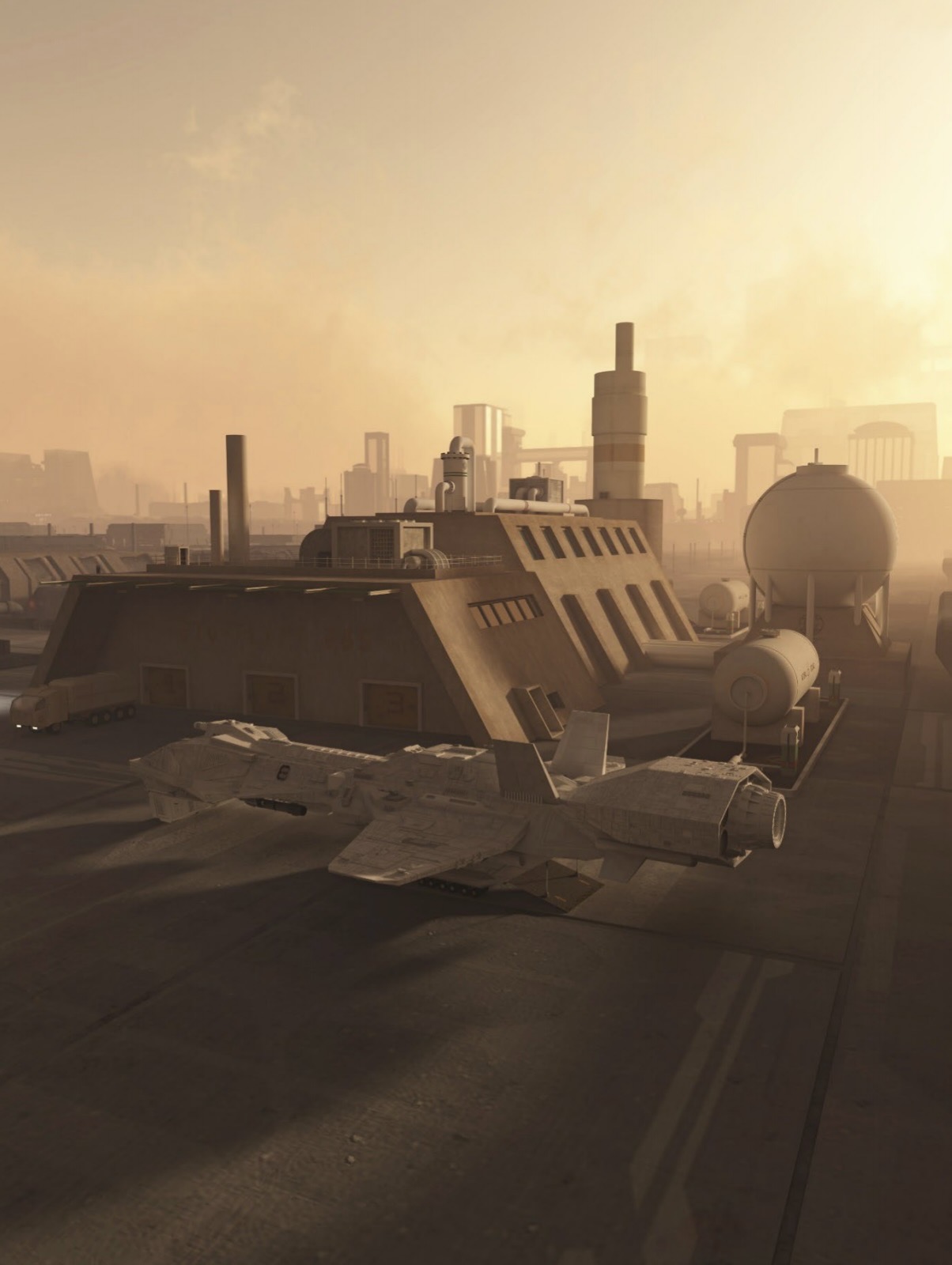
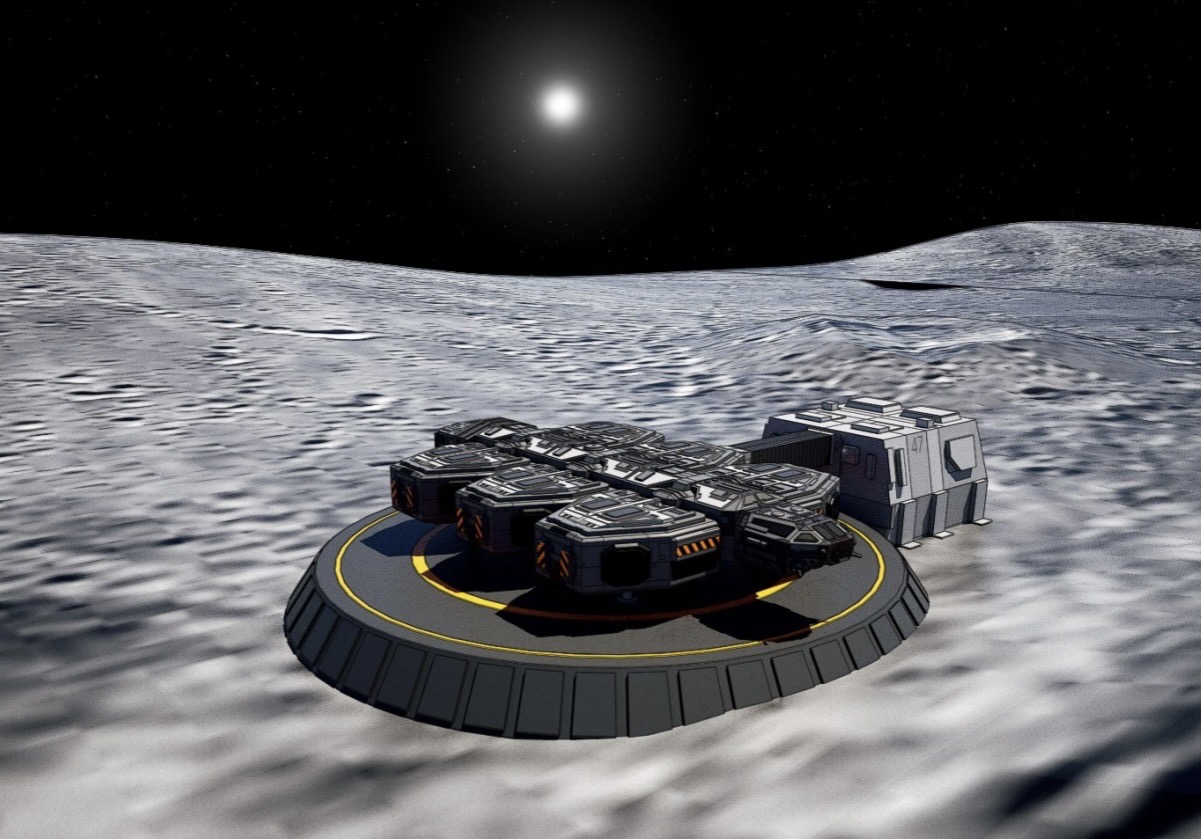
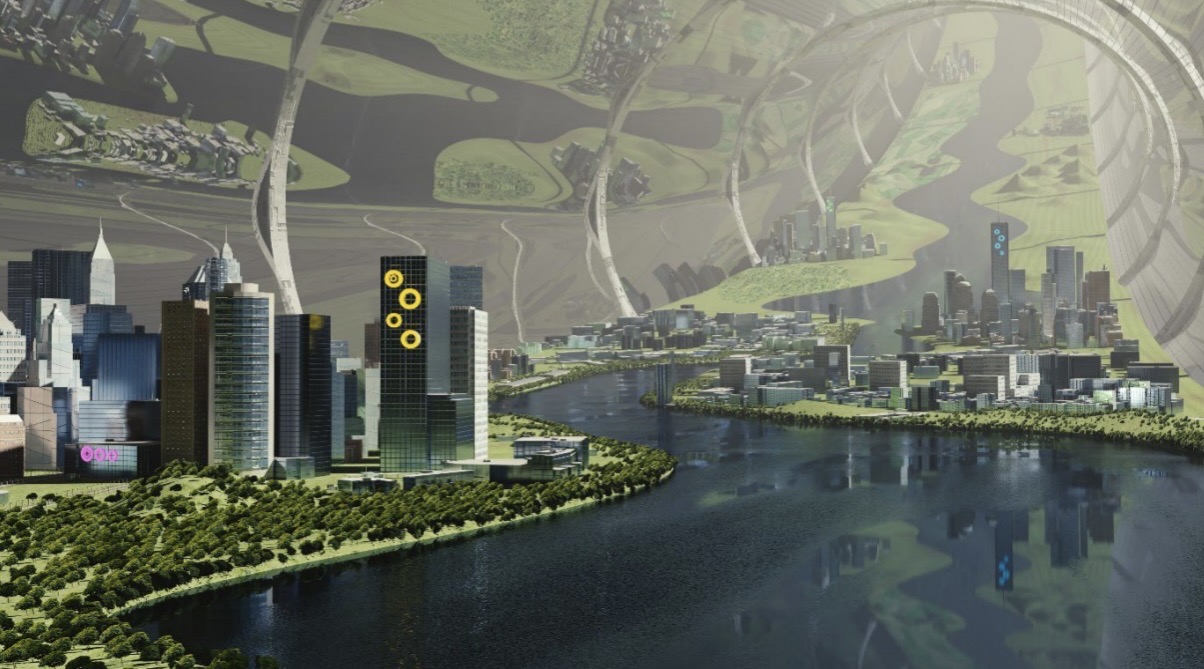
The information in Port of Entry is also diverse; as in more than just a listing of Starports A through X. Some parts I really like are:
- Highports and Downports are discussed, as well as “shuttleports” or “local ports” (p. 11) that get away from the One Planet = One Starport trope that is so easy to fall into. See also the sample “Slaren Main Downport” (pp.96-103)
- While some might see the entire Starport Services chapter as nothing more than a way for the referee to use the rules to take more of the adventure party’s money, those same details also offer innumerable plot hooks for adventure. Did the ship’s hold ever get cleaned up properly after that Golovian Slime Worm—infamous for secretions that some planets class as a biological weapon of mass destruction—escaped as you were transporting it?
- It takes people to run Starports and that means new careers.
- While I (kinda) expected some sample merchants at a Starport, I did not expect Big Al’s Biscuits but, well, I guess it makes sense that fast food would be in the future too. And then there is
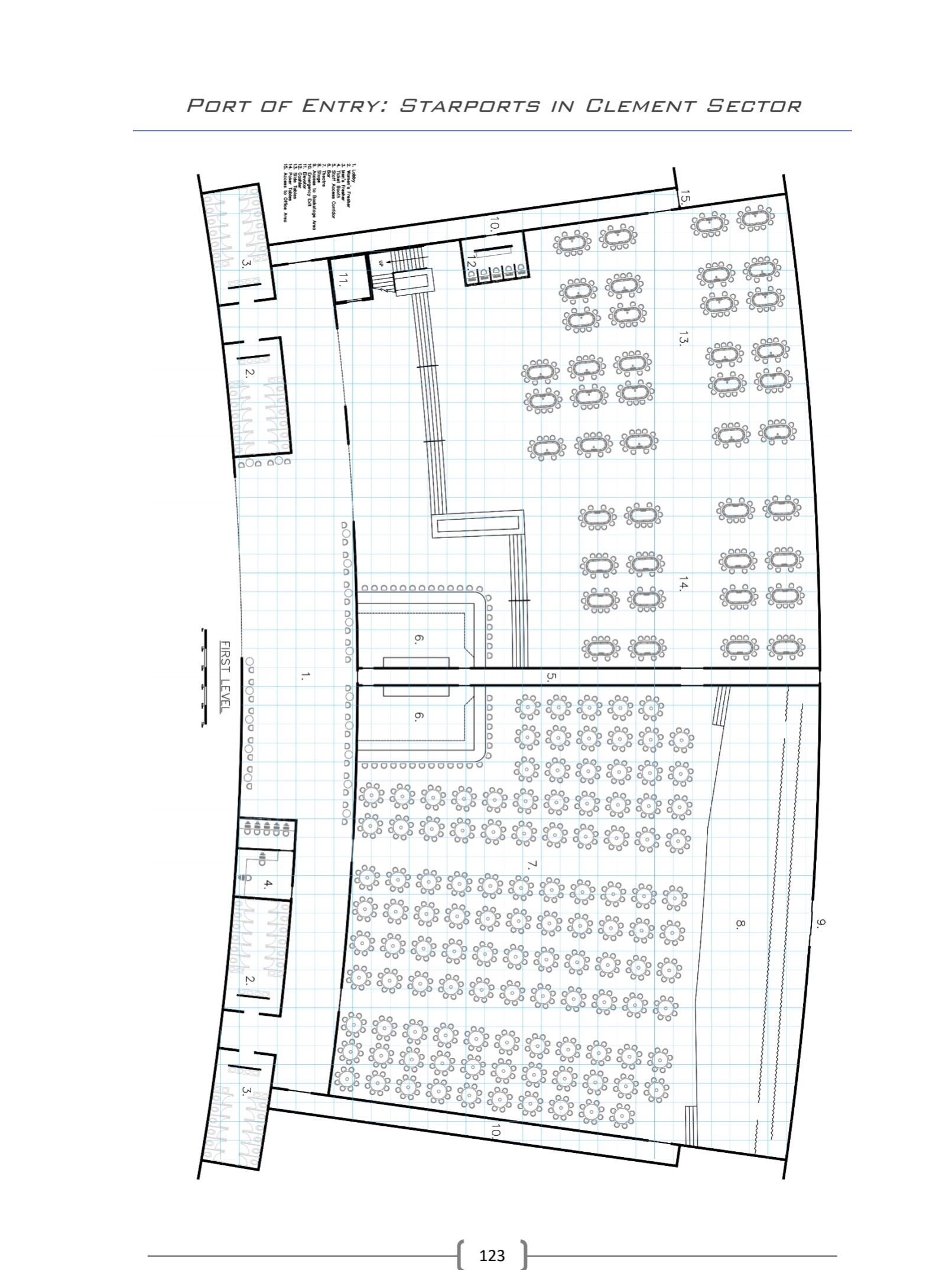
Buc-ee’s(whoops) Lucky’s… - The example locations again all make sense once you see them; the lesson for a referee is clear—pick your favorite business and TV trope and mix it together for interesting adventure places. The maps of each place is a welcome added bonus.
- If you ever need a gravitic forklift Port of Entry has you covered…
- While I often think of a Starport as a place on a planet’s surface, a point driven home by Port of Entry is that a space station can also serves as the port. The Space Station design sequence is what one expects in Traveller/Cepheus Engine.
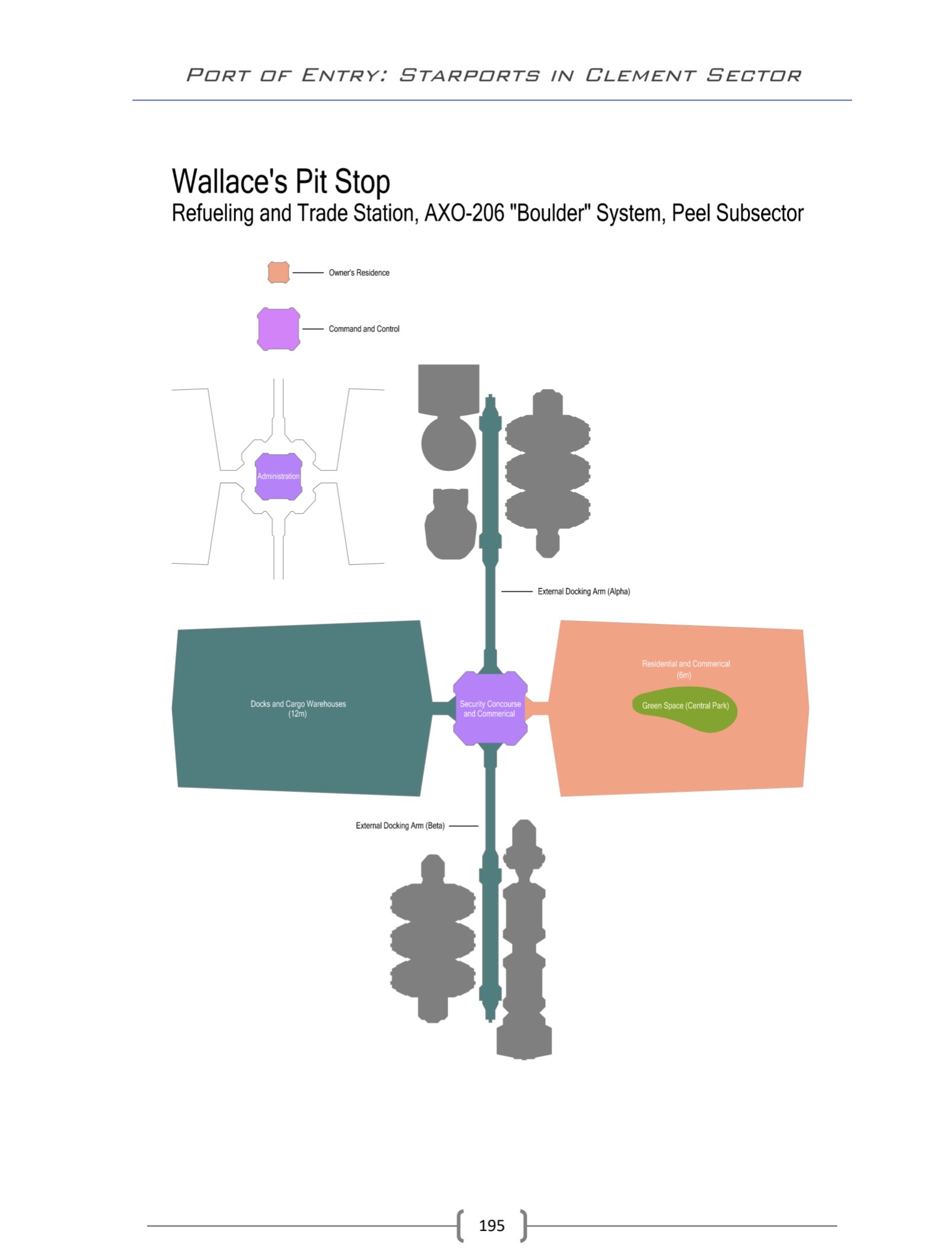
- The grand sample location, Wallace’s Pit Stop (pp. 187-197) is not what I expected; a 25,000 dTon, Class D, privately owned space station. Is this another Buc-ee’s in space?


Global exit
As a player/referee of the Traveller RPG since the late 1970s and a major convert to Cepheus Engine (but NOT Mongoo$e Traveller 2nd Edition) I will be amongst the first to admit that one can play a campaign perfectly fine without Port of Entry.
But why?
Port of Entry, like so many Independence Game sourcebooks, is more than just a collection of information. There are so many adventuring plot hooks and inspiration within the 200 pages that an entire campaign could be created and run around just a single Starport. Port of Entry is the Traveller/Cepheus Engine RPG gateway book to your own Babylon 5 or DS9 adventuring.
So, step out of your starship and take a spin on that wheel station or come on down to the Downport. Adventure awaits.
Feature image courtesy Independence Games
The opinions and views expressed in this blog are those of the author alone and are presented in a personal capacity. They do not necessarily represent the views of U.S. Navy or any other U.S. government Department, Service, Agency, Office, or employer.
RockyMountainNavy.com © 2007-2026 by Ian B is licensed under CC BY-SA 4.0
 Rocky Mountain Navy Gamer